


Water damage is one of the most expensive problems a homeowner can face—and most of it starts small and invisible. Effective leak detection helps you find hidden home water leaks fast, before they turn into soaked drywall, warped floors, mold growth, or sky-high utility bills.

This guide walks you through practical, step-by-step methods to spot leaks early, tools you can use, and when it’s time to call a professional.
Why Fast Leak Detection Matters
Even a tiny drip can waste hundreds of gallons of water over time and cause serious structural damage. Catching leaks early matters because:
- Water damage escalates quickly. Moisture spreads through porous materials like drywall, wood, and insulation.
- Mold can start within 24–48 hours. Hidden damp spots create perfect conditions for mold and mildew.
- Your water bill rises quietly. You might not notice a hidden leak until you get an abnormally high statement.
- Insurance may not cover slow leaks. Many policies limit coverage if damage is from a long-term issue you failed to address.
Fast, systematic leak detection is one of the best ways to protect both your home and your wallet.
Common Sources of Hidden Water Leaks
Not all leaks are obvious drips from a faucet. Many start in places you rarely inspect. Focus your leak detection efforts on these high-risk areas:
- Toilets: Flapper valves, fill valves, and tank seals fail frequently.
- Under sinks: Supply hoses, P-traps, and loose connections can leak slowly.
- Behind walls: Plumbing lines running to bathrooms, kitchens, and laundry rooms.
- Slab leaks: Pipes embedded in or under the concrete foundation.
- Water heater: Tank corrosion, valves, and connections.
- Appliance hookups: Washing machines, dishwashers, refrigerators with ice makers.
- Outdoor systems: Irrigation lines, spigots, and pool plumbing.
Knowing where leaks usually start helps you check the right spots first.
First Signs You May Have a Hidden Leak
You don’t need special tools to notice the early warning signs of a hidden leak. Be alert to:
- Unexplained musty or earthy odors
- Peeling or bubbling paint, wallpaper, or drywall
- Warped, buckling, or soft flooring
- Stains, discoloration, or damp spots on ceilings or walls
- Consistently low water pressure in one area
- Sounds of running water when everything is turned off
- A sudden jump in your water bill with no change in usage
If you notice one or more of these, it’s time to do a more focused leak detection check.
Step-by-Step DIY Leak Detection Using Your Water Meter
Your water meter is one of the most powerful leak detection tools you already have. It can tell you if water is moving through your system even when all fixtures are off.
1. Turn Everything Off
- Shut off all water-using fixtures and appliances: faucets, showers, washing machine, dishwasher, sprinklers, ice makers.
- Double-check toilets are not running and no one uses water during the test.
2. Locate and Read Your Meter
- Find the meter—usually at the curb in a box, or on the side of the house.
- Remove the cover and wipe away any dirt.
- Look for a small “leak indicator” dial (often a triangle or star) that spins with even tiny flows.
3. Watch the Leak Indicator
- If the indicator is spinning while all water is off, you likely have a leak.
- If it’s not spinning, record the meter reading and wait 30–60 minutes without using any water, then check again:
- No change: No significant leak detected.
- Reading increased: Water is going somewhere—time to narrow down the source.
This simple meter-based leak detection test can tell you if you’re dealing with a whole-house leak rather than a single fixture.
How to Check for Toilet Leaks (The Dye Test)
Toilets are one of the most common and most wasteful sources of hidden leaks. A silent toilet leak can waste hundreds of gallons per day.
Use this quick test:
- Remove the tank lid.
- Add dye to the tank. A few drops of food coloring or a dye tablet work.
- Wait 15–30 minutes without flushing.
- Check the bowl.
- If colored water appears in the bowl, water is leaking from the tank to the bowl.
This type of leak is often caused by a worn flapper or misadjusted fill valve. Both parts are inexpensive, and many homeowners can replace them without a plumber.
Inspecting Visible Plumbing and Appliances
Systematic visual inspection is a core part of leak detection. Walk through your home and check:
-
Under all sinks:
Look for:- Standing water
- Drips from connections
- Water stains on the cabinet floor or back wall
- Swollen, warped, or soft cabinet material
-
Around appliances:
- Move the washing machine slightly and inspect hoses and the wall behind.
- Check under and around the dishwasher for dampness.
- Inspect the refrigerator’s water line and the floor nearby.
-
Water heater:
- Look for rust or corrosion at pipe connections.
- Check for moisture around the base.
- Listen for sizzling sounds that could indicate dripping.
-
Showers and tubs:
- Inspect caulking and grout.
- Look for water stains on the ceiling below second-floor bathrooms.
Even small signs like a discolored cabinet bottom often point to a slow, ongoing leak.
Detecting Leaks Behind Walls, Floors, and Ceilings
Hidden leaks in enclosed spaces are trickier to find, but several clues can help:
Look, Listen, and Feel
- Visual clues:
- Yellow or brown ceiling or wall stains
- Paint that bubbles or peels
- Slight bulging or warping in drywall
- Sound clues:
- Hissing or trickling noises behind walls when no fixtures are on
- Touch clues:
- Cool or damp spots on drywall
- Soft or “spongy” flooring
Use Simple Tools
You don’t need expensive gear to improve your leak detection:
- Moisture meter:
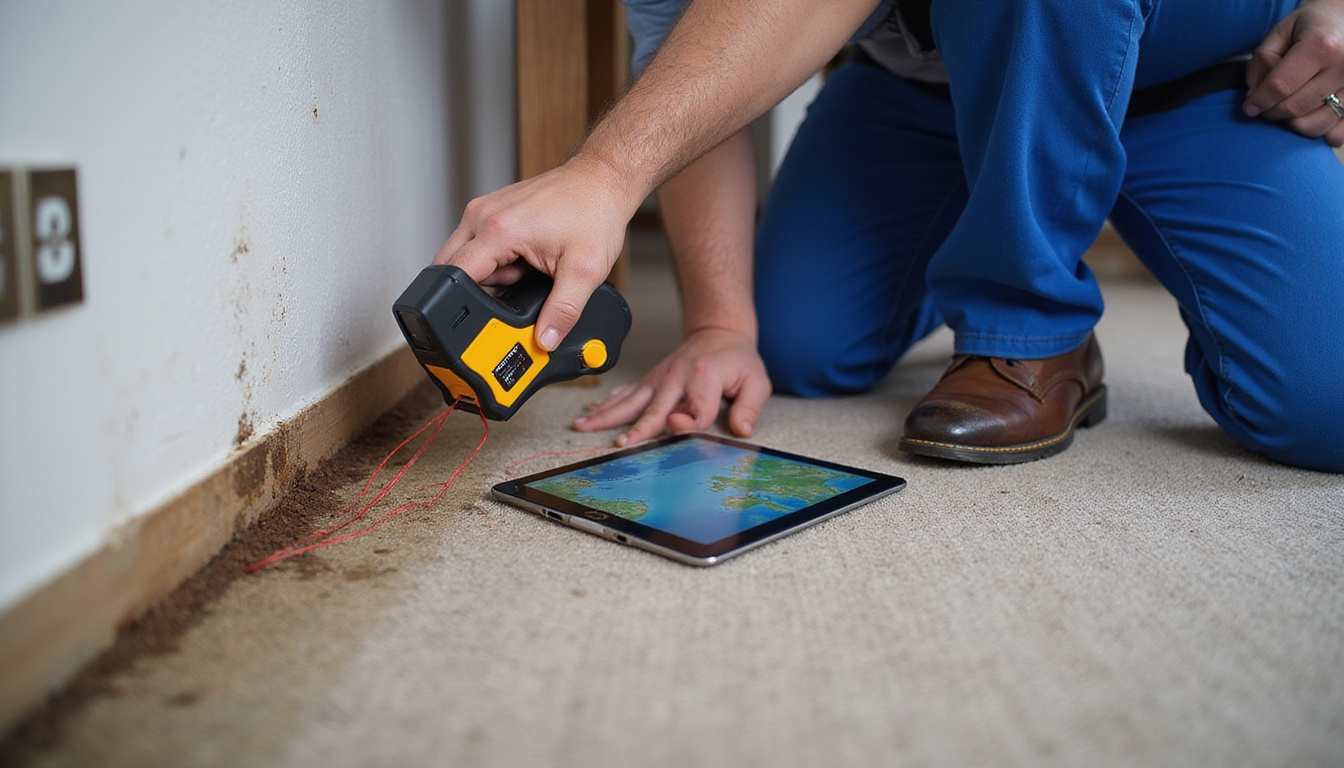
An affordable handheld device that measures moisture content in walls, floors, and ceilings. It can pinpoint damp sections without opening the wall. - Infrared thermometer or basic thermal camera:
Helps spot temperature differences that may indicate evaporative cooling from a leak.
If you identify a confined area that’s consistently damp or cooler, you’ve likely found the leak zone.
Slab Leak Detection: When Water Hides Under Your Home
Homes built on concrete slabs can develop leaks in the pipes under or within the slab. Slab leaks are serious and often require professional leak detection.
Common signs include:
- Warm spots on your floor (for hot-water line leaks)
- Unexplained dampness or dark spots in flooring, especially near walls
- Sound of running water with no fixtures on
- Cracks in walls or flooring combined with high water usage
- Constantly running well pump or water meter movement
Professional plumbers use specialized equipment—like acoustic listening devices, tracer gas, or thermal imaging—to pinpoint slab leaks without unnecessary demolition.
Professional Leak Detection Tools and Methods
While DIY leak detection can find many issues, some leaks require professional-grade tools and expertise. Plumbers and leak detection specialists may use:
- Acoustic listening devices:
Amplify the sound of water escaping from pressurized pipes, even under concrete or behind walls. - Thermal imaging cameras:
Show temperature variations that reveal hidden moisture paths or leaks in hot-water lines. - Tracer gas systems:
Introduce a safe gas into the pipes and use detectors to find where it escapes. - Video pipe inspection:
A small camera is run through pipes to visually identify cracks, blockages, or breaks.
According to the Environmental Protection Agency, household leaks can waste nearly 1 trillion gallons of water annually nationwide (source: EPA WaterSense). Professional leak detection can dramatically reduce that waste while preventing major damage.
Simple Preventive Measures to Reduce Leak Risk
Avoiding leaks is even better than detecting them. Incorporate these habits into your home maintenance routine:
- Inspect hoses annually:
Replace rubber washing machine and dishwasher hoses every 5–7 years, or sooner if worn. - Use stainless steel braided hoses:
They’re more durable and less prone to bursting than plain rubber. - Install leak detection sensors:
Place smart leak detectors under sinks, near water heaters, behind toilets, and around appliances. Many send alerts to your phone. - Know your main shutoff valve location:
Label it and ensure everyone in the home knows how to turn it off in an emergency. - Maintain water pressure:
Excessive water pressure stresses pipes and fittings. A pressure regulator can help keep it in the safe 40–60 psi range. - Keep gutters and downspouts clear:
While not “plumbing,” poor drainage can cause moisture issues that mimic plumbing leaks.
Regular attention reduces your chances of emergency repairs and expensive restoration work.
Quick Leak Detection Checklist
Use this list when you suspect a leak or as a periodic home check:
- Turn off all water-using fixtures and appliances.
- Check the water meter and leak indicator for movement.
- Test all toilets with the dye test.
- Inspect under every sink and around every appliance.
- Check walls, ceilings, and floors for stains, warping, or soft spots.
- Listen for running water or hissing in quiet rooms.
- Walk barefoot to detect unexpected warm or damp floor spots.
- Review your latest water bills for unexplained increases.
- Use a moisture meter on suspect areas.
- If you can’t locate the source but suspect a leak, call a professional leak detection specialist.
FAQ: Home Water Leak Detection
Q1: What is the best method for residential water leak detection?
The best method combines several steps: checking your water meter, inspecting toilets and visible plumbing, looking for moisture damage, and using simple tools like moisture meters. For hard-to-find issues—especially slab or underground leaks—professional leak detection services with acoustic or thermal imaging equipment are most effective.
Q2: How can I tell if I need professional plumbing leak detection services?
If your meter shows continuous water use with everything off, you hear water running, see signs of moisture, or your bill has spiked—but you can’t locate the source—it’s time to call a professional. Persistent dampness, suspected slab leaks, or recurring “mystery” moisture are strong indicators that advanced leak detection is needed.
Q3: Are smart home water leak detectors worth it?
Yes, smart leak detection devices are particularly useful in high-risk areas like under sinks, near water heaters, laundry rooms, and behind appliances. They provide early alerts—often to your phone—when they sense moisture or unusual water flow, helping you act before a small leak becomes major damage.
Stop Hidden Leaks Before They Wreck Your Home
Hidden leaks don’t fix themselves—they quietly get worse, spreading moisture, growing mold, and driving up your water bill. With systematic leak detection, you can uncover problems early, often in a single afternoon: check your meter, inspect high-risk areas, and pay attention to the warning signs your home is already giving you.
If you’ve followed these steps and still suspect a problem, don’t wait. Contact a licensed plumber or leak detection specialist to pinpoint the issue with professional tools before it spreads. A timely inspection now can save you from costly repairs, health risks, and weeks of disruption later.