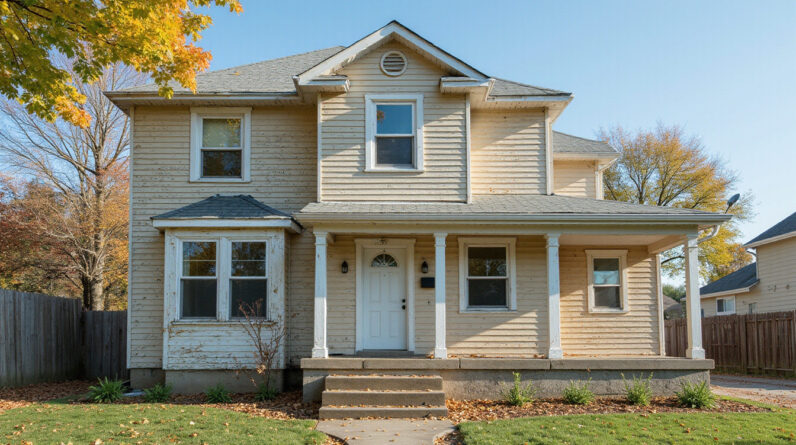


Masonry repair is one of the most effective ways to extend the life of your brick, block, or stone surfaces and prevent minor issues from turning into major structural problems. Whether you’ve noticed hairline cracks in your brick wall, crumbling mortar joints on your steps, or spalling on a chimney, knowing some basic DIY masonry repair techniques can save you money and protect your home.

This guide walks you through how to assess damage, choose materials, and perform practical repairs safely and effectively.
Understanding Masonry and Why It Fails
Before starting any masonry repair, it helps to understand what you’re working with and why damage occurs.
Typical masonry materials:
- Brick
- Concrete block (CMU)
- Natural stone
- Manufactured stone
- Mortar (the “glue” that holds units together)
Common causes of masonry damage:
- Water infiltration: Moisture freezes and expands in pores, causing cracks and spalling.
- Movement and settling: Houses shift over time, stressing rigid masonry.
- Temperature swings: Expansion and contraction can open joints.
- Poor drainage or grading: Water pooling near foundations accelerates deterioration.
- Improper past repairs: Wrong mortar type or sealants can trap moisture.
Understanding the root cause lets you choose the right masonry repair method and avoid temporary fixes that fail again quickly.
Step 1: Inspecting Masonry for Damage
Start with a thorough visual inspection of the area you want to repair.
Look for:
- Cracks: Vertical, horizontal, and stair-step cracks through bricks, blocks, or mortar.
- Crumbling mortar joints: Mortar that is soft, powdery, or missing.
- Spalling: Flaking or chipping faces on bricks or stones.
- Bulging or bowing walls: Surfaces that are no longer flat or plumb.
- Efflorescence: White, powdery deposits indicating water movement through masonry.
- Damp spots or staining: Signs of ongoing moisture problems.
When NOT to DIY
Some issues require a professional mason or structural engineer:
- Large, widening cracks (especially over ¼ inch wide).
- Rapidly changing cracks.
- Significant bulging or leaning walls.
- Foundation settlement symptoms (sticking doors, sloping floors).
- Chimney leaning or separating from the house.
If any of these are present, your masonry repair should start with expert evaluation rather than DIY fixes.
Step 2: Choosing the Right Materials and Tools
The success of your masonry repair job depends heavily on using compatible materials and proper tools.
Matching Mortar
Mortar is not one-size-fits-all. Older homes, especially those built before the 1930s–1950s, often used softer lime-based mortar. Modern “Type S” or “Type N” cement-based mortars can be too hard, leading to damaged bricks.
General guidance:
- Historic brick (before ~1930): Use lime-rich, softer mortar (often Type O or custom lime mortar).
- Modern brick/block: Typically Type N for walls; Type S for foundations or high-load areas.
Check existing mortar:
- Scrape it with a screwdriver. If it powders easily, it’s likely softer, lime-rich mortar.
- Compare color and texture to pre-mixed repair mortars before buying.
Basic Tools for Masonry Repair
- Cold chisel and masonry hammer
- Pointing trowel and brick trowel
- Joint raker or grinder (for experienced DIYers)
- Stiff wire brush
- Bucket and sponge
- Safety glasses, gloves, dust mask/respirator
- Caulk gun (for some crack repairs)
- Margin trowel or utility knife (for finer work)
With the right mortar mix and tools, you can tackle many small to moderate masonry repair tasks yourself.
Step 3: Fixing Hairline and Small Cracks
Small horizontal or vertical cracks that don’t show signs of structural movement are often cosmetic and can be repaired with simple methods.
Cleaning and Preparing the Crack
- Use a wire brush to remove loose debris from the crack.
- For narrow cracks, slightly widen the surface opening with a cold chisel to form a “V” shape. This helps new material bond better.
- Brush or blow out dust.
- Lightly dampen the crack with water so the repair material adheres properly without drying out too fast.
Filling the Crack
You have a few options:
- Masonry crack filler or caulk: Convenient for hairline to small cracks in non-structural areas. Choose a flexible, paintable masonry sealant.
- Mortar or patching compound: Better for larger cracks in mortar joints or where you want a more authentic look.
Application tips:
- Use a caulk gun or small trowel to force filler deep into the crack.
- Overfill slightly, then smooth with a damp finger or trowel.
- Wipe away excess with a damp sponge before it hardens.
- Protect from rapid drying (sun/wind) per product instructions.
This type of masonry repair is ideal for minor cracks in walls, steps, and patios where the underlying structure is sound.
Step 4: Repointing Mortar Joints (Tuckpointing)
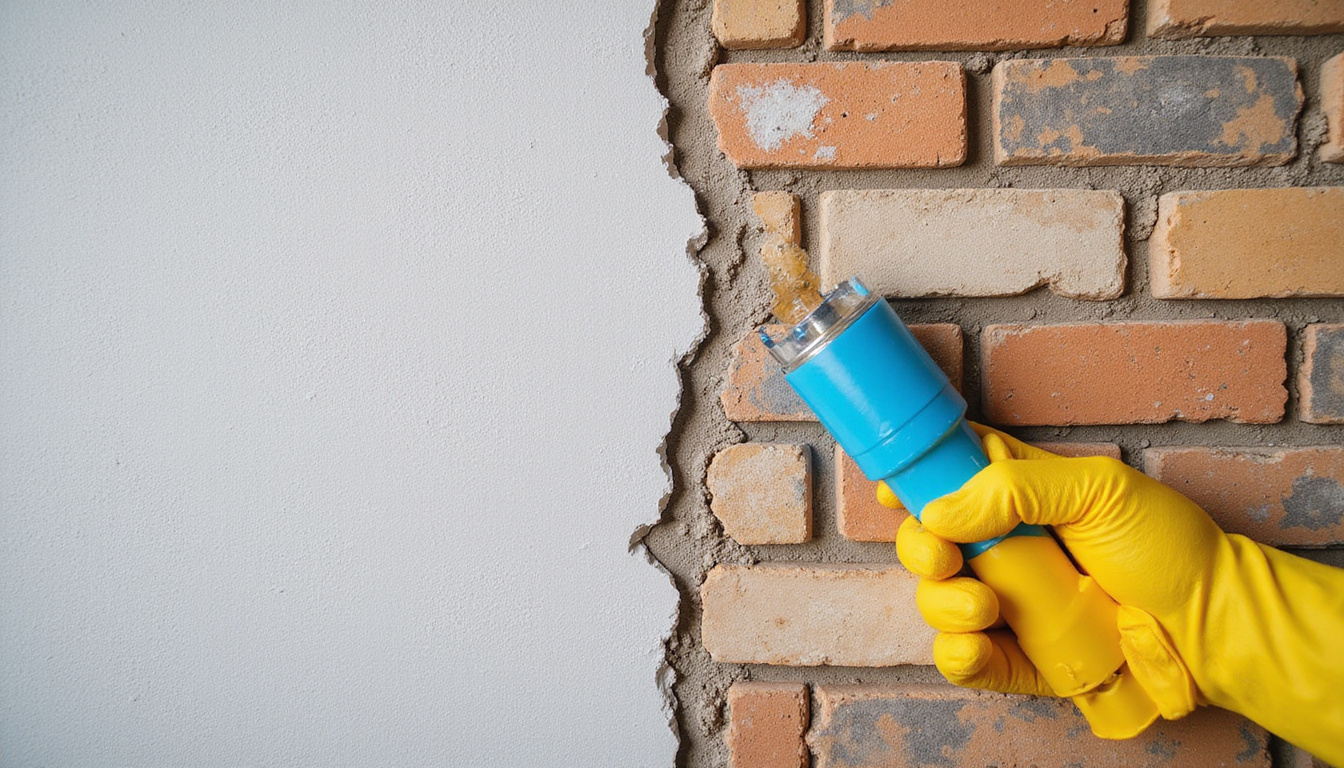
Repointing, often called tuckpointing, is one of the most common masonry repair tasks. It involves removing deteriorated mortar and replacing it with fresh mortar to restore structural integrity and keep water out.
How to Repoint Mortar Joints
-
Remove Old Mortar
- Use a cold chisel and hammer or a joint raker to remove the top ½–¾ inch of mortar from joints.
- Work carefully to avoid chipping the edges of bricks or stones.
- Clean out dust with a brush or compressed air.
-
Dampen the Joints
- Lightly mist the joints with water so they’re damp but not dripping.
- This prevents the new mortar from curing too quickly and cracking.
-
Mix New Mortar
- Follow the manufacturer’s ratio or recipe for your mortar type.
- Mix to a peanut butter-like consistency.
- Let it rest (“slake”) for a few minutes, then remix before use.
-
Pack in New Mortar
- Using a pointing trowel, press mortar firmly into the joints.
- Fill the joint completely, working in small sections.
-
Tool the Joints
- Once mortar is firm but not hard, tool the joints to match existing profiles (concave, flush, etc.).
- This step improves appearance and sheds water effectively.
-
Clean the Bricks
- Gently wipe the faces with a damp sponge before mortar fully sets to remove smears.
- Avoid over-wetting or scraping fresh joints.
Well-executed repointing is a powerful masonry repair that can add decades of life to walls, chimneys, and foundations by sealing out moisture.
Step 5: Repairing Spalling and Damaged Bricks
Spalling bricks (faces flaking off) not only look bad but also signal ongoing moisture problems. For small areas, you can replace individual bricks as a DIY project.
Replacing a Damaged Brick
-
Remove the Old Brick
- Use a masonry drill to create relief holes in the brick face (optional but helpful).
- Carefully chisel out the brick in pieces, along with surrounding mortar.
- Avoid damaging adjacent bricks.
-
Clean the Cavity
- Remove all loose debris and old mortar.
- Dampen the cavity with water.
-
Prepare the New Brick
- Choose a replacement with similar size, color, and texture.
- Dampen the new brick slightly before installation.
-
Set the Brick
- Apply mortar to the bottom and sides of the cavity.
- Butter the sides of the new brick with mortar.
- Press the brick into place, leaving consistent joint spacing.
- Fill joints fully with mortar and tool to match others.
-
Cure and Protect
- Keep the area lightly damp (or covered) for a day or two in hot, dry weather to help mortar cure properly.
If many bricks are spalling, it may indicate moisture trapped by hard, non-breathable coatings or incorrect past masonry repair materials. In that case, seek professional advice.
Step 6: Masonry Repair for Steps, Walkways, and Small Walls
Outdoor steps and walkways take a lot of abuse from foot traffic, salt, and freeze–thaw cycles. Common DIY repairs include:
- Filling small chips and surface voids with patching compound.
- Rebuilding loose or missing mortar joints.
- Resetting loose bricks or pavers by removing them, cleaning the bed, and reinstalling with fresh mortar or sand (depending on the system).
For small garden walls or short retaining walls showing minor cracking or leaning, you can sometimes:
- Improve drainage behind the wall (adding gravel, weep holes).
- Rebuild short sections using existing units and fresh mortar.
However, tall, heavily loaded retaining walls usually require professional structural evaluation.
Step 7: Preventing Future Masonry Damage
Effective masonry repair doesn’t stop with patching visible damage; it also addresses underlying causes to prevent recurrence.
Key prevention steps:
- Improve drainage: Make sure soil slopes away from foundations; fix downspouts and gutters to route water away.
- Seal horizontal surfaces: Use breathable, masonry-appropriate sealers on steps and sills, if recommended for your material.
- Avoid harsh de-icing salts: Use sand or masonry-safe alternatives where possible.
- Choose breathable coatings: If painting, use coatings rated for masonry that allow moisture vapor to escape.
- Maintain joints and caulking: Around windows, doors, and where masonry meets other materials.
- Inspect annually: Catch small cracks and mortar deterioration early and perform quick masonry repair before winter.
For more technical guidance on masonry durability and repair principles, the Brick Industry Association provides detailed resources for homeowners and professionals (source: Brick Industry Association).
Common DIY Masonry Repair Mistakes to Avoid
When working on brick or stone, these missteps can cause more harm than good:
- Using too-hard mortar on soft historic brick, leading to brick damage instead of sacrificial mortar wear.
- Relying on non-breathable sealers or paints that trap moisture behind masonry.
- Filling structural or expanding cracks with simple caulk instead of addressing movement.
- Skipping proper joint depth when repointing (shallow repairs pop out quickly).
- Neglecting safety: not wearing eye protection, gloves, or a dust mask when cutting or grinding.
Being cautious and informed helps your masonry repair last longer and protects your investment.
Quick Reference: DIY Masonry Repair Checklist
Use this list as a simple guide when planning your project:
- Inspect and identify the type and extent of damage.
- Decide if DIY is appropriate or if a pro is needed.
- Match mortar type, color, and texture as closely as possible.
- Gather safety gear and basic masonry tools.
- Clean and prepare surfaces; remove loose material thoroughly.
- Dampen masonry before applying new mortar or patch.
- Pack joints fully; avoid shallow, cosmetic fills.
- Tool joints to match existing profiles.
- Protect repairs from rapid drying or heavy rain while curing.
- Address drainage and moisture sources to prevent recurrence.
FAQ: Masonry Repair Basics
Q1: How much does DIY brick masonry repair typically cost?
DIY brick masonry repair is usually inexpensive in materials—often under $100 for small jobs involving mortar, patching compounds, and basic tools. The main “cost” is your time and learning curve. Large or structural issues, however, are not good candidates for DIY cost savings and are better handled by professionals.
Q2: Can I use concrete for all my masonry wall repairs?
Concrete and mortar are related but not interchangeable. Concrete contains coarse aggregates and is better for slabs and large structural elements, while mortar is formulated to bond masonry units and be somewhat flexible. For most masonry wall repairs, you should use a compatible mortar mix rather than standard concrete.
Q3: How do I know if my brick crack repair has fixed the problem?
After completing a masonry crack repair, monitor the area over several months. If the crack doesn’t widen or reopen and there are no new signs of movement (like new cracks nearby or doors/windows sticking), your repair was likely adequate. If cracks grow or new ones appear, consult a professional to assess structural or foundation issues.
Take Action: Protect Your Masonry Before Small Issues Grow
Cracked mortar, flaking bricks, and tiny gaps may seem minor today, but left alone, they allow water in and turn into expensive structural problems down the road. With basic tools, a bit of patience, and the right techniques, you can perform many masonry repair tasks yourself—restoring strength, appearance, and weather resistance to your brick, block, or stone surfaces.
Start by walking your property this week: note any cracks, loose joints, or damp areas, then choose one manageable masonry repair project to tackle. If you’re unsure whether a crack is structural, or you’re dealing with a chimney, tall wall, or foundation, reach out to a qualified mason or structural engineer for guidance. Acting now—whether DIY or with professional help—will keep your masonry solid, safe, and attractive for decades.