

Outdoor Kitchen: Genius Design Hacks to Maximize Backyard Entertaining
An outdoor kitchen can instantly transform your backyard into the ultimate entertainment zone. Whether you’re grilling for two or hosting a big summer party, a well‑planned outdoor kitchen makes cooking easier, socializing more fun, and your home more valuable. With a few smart design hacks, you can get all the function of an indoor kitchen—plus the fresh air and ambiance—without overspending or overcomplicating the build.

Below are practical, people-tested ideas to help you design (or upgrade) an outdoor kitchen that looks great, works beautifully, and makes entertaining almost effortless.
1. Start with Purpose: How Will You Use Your Outdoor Kitchen?
Before you think about countertops and grill brands, get clear on how you’ll actually use the space. This decision drives every other choice.
Ask yourself:
- Do you mainly grill simple weeknight dinners, or host larger gatherings?
- Will this double as an outdoor bar or just a cooking area?
- Do you want full meal prep outside, or will you still use your indoor kitchen for some tasks?
Three common “personality types” of outdoor kitchens:
- The Social Hub – Big prep areas, seating nearby, and a layout that lets you chat with guests while cooking.
- The Chef’s Station – High-performance grill, side burner, and storage for tools and spices; guests sit a bit further away.
- The Hybrid – A compact outdoor kitchen that can handle casual family dinners and the occasional party.
Knowing your style first helps you avoid overspending on rarely used features and under‑investing in what you’ll use all the time.
2. Nail the Layout: Traffic Flow and the Outdoor “Work Triangle”
A smart layout is the most powerful “hack” for an outdoor kitchen. Borrow from indoor kitchen design and think in zones: hot, cold, wet, and dry.
- Hot zone – Grill, smoker, pizza oven, side burner.
- Cold zone – Outdoor fridge, beverage cooler, ice maker.
- Wet zone – Sink, dishwasher (if installed).
- Dry zone – Prep counters, serving bar, storage.
Create an Outdoor Work Triangle
In indoor kitchens, designers often use a “work triangle” between the stove, sink, and fridge for efficiency. Recreate this outside:
- Place the grill, sink, and fridge in a loose triangle.
- Leave 4–9 feet between each zone for easy movement.
- Keep major walkways clear of the main cooking area so guests don’t cut through your “work lane.”
This reduces backtracking and collisions when you’re juggling plates, tongs, and drinks.
3. Use Space-Saving Genius in Small Backyards
A limited yard does not mean giving up on your outdoor kitchen. It just means designing smarter.
Compact Layout Hacks
- L-shaped or straight-line runs: These hug a wall or fence and keep everything within arm’s reach.
- Multi-function appliances: A grill with a side burner, rotisserie, and warming rack can replace multiple pieces.
- Fold-down or pull-out surfaces: Add a hinged side shelf or pull‑out prep board for extra space when hosting, then fold away.
Vertical and Under-Counter Storage
Make the most of every inch:
- Install wall hooks or magnetic strips for utensils and grill tools.
- Use under-counter cabinets or drawers for propane, charcoal, cleaning supplies, and servingware.
- Consider narrow pull-out spice racks to keep seasonings organized and reachable.
Smart storage turns even a small outdoor kitchen into a surprisingly capable cooking zone.
4. Choose the Right Materials for Long-Term Durability
An outdoor kitchen lives in the sun, rain, and temperature swings, so material choice matters more than almost anything.
Weather-Resistant Core Materials
- Stainless steel (304-grade or better) for grills, cabinets, and hardware to resist rust and corrosion.
- Masonry (brick, stone, or concrete block) for the kitchen base—timeless look and very durable.
- High-density porcelain or concrete pavers for flooring: slip-resistant, easy to clean, and tough.
Countertop Options
- Granite – Extremely durable and heat-resistant, ideal for outdoor use when properly sealed.
- Concrete – Customizable and modern; seal it to prevent staining and cracking.
- Porcelain slabs – Low maintenance and highly resistant to UV, stains, and heat.
Avoid porous and delicate materials like marble or soft limestone unless you’re prepared for more maintenance.
According to design guidance from the National Kitchen & Bath Association, choosing properly rated outdoor materials is key to longevity in exterior kitchens (source: NKBA).
5. Maximize Comfort: Shade, Shelter, and Season Extension
The more comfortable your outdoor kitchen, the more you’ll use it.
Add Shade Strategically
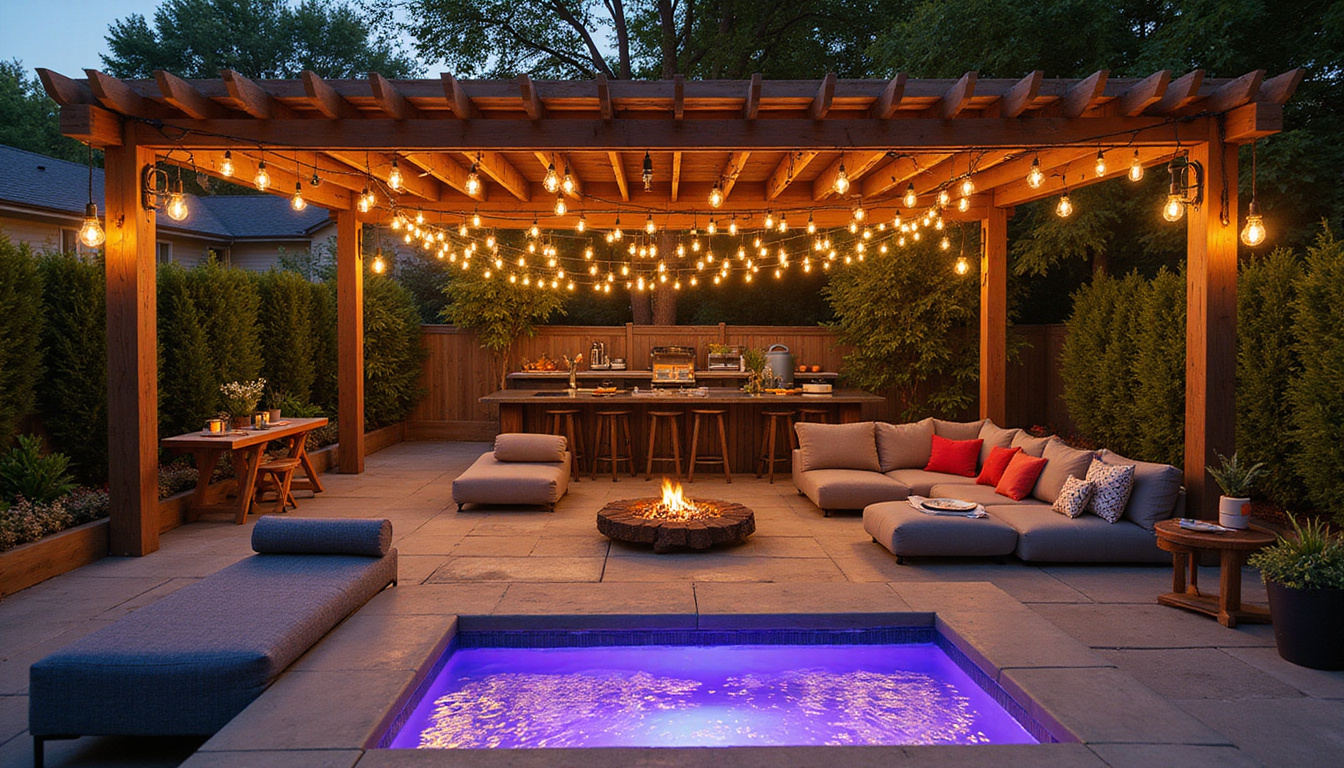
- Pergolas or gazebos over the cooking and seating area cut glare and heat.
- Retractable awnings let you adjust coverage as the sun moves.
- Shade sails are an affordable, flexible solution for odd-shaped yards.
Position shade so you’re not grilling in direct, late‑afternoon sun—and so guests can relax without squinting.
Think Beyond Summer
Extend your outdoor kitchen’s usable season:
- Patio heaters or infrared heaters for shoulder seasons.
- A fire pit or fireplace near (but not too near) the cooking area adds warmth and ambiance.
- Windbreaks: Low walls, tall planters, or privacy screens can shield guests from breeze.
With these tweaks, an outdoor kitchen can be a three‑season asset, not just a July novelty.
6. Lighting Hacks: Functional and Magical
Lighting is often underestimated but makes a massive difference in how your outdoor kitchen feels and functions.
Layered Lighting Plan
- Task lighting – Direct light over the grill, prep counters, and sink. Use weather‑rated LED fixtures or under‑cabinet strips.
- Ambient lighting – Wall sconces, overhead pendants, or string lights to create overall glow.
- Accent lighting – Step lights, under-counter LED strips, or spotlights for landscaping around the kitchen.
Smart hack: put lights on separate switches or zones so you can go bright while cooking and dim and cozy when it’s time to relax.
7. The Ultimate Entertaining Trick: Integrate Seating and Serving
To keep you connected to your guests, plan the outdoor kitchen as part of a larger entertainment area rather than a separate “work corner.”
Smart Seating Ideas
- Bar seating along a counter: Guests can sit facing you while you grill and prep.
- Built-in benches: Efficient in small spaces and great for groups.
- Moveable furniture: Light, stackable chairs and modular sectional pieces let you reconfigure for different events.
Create a Serving and Drop Zone
Include at least one generous “landing space”:
- Near the grill for raw and cooked food (separate areas for safety).
- Near the fridge/beverage cooler as a drink station.
- Near the main seating area for buffet-style spreads.
This reduces chaotic bottlenecks and keeps guests from hovering in your cooking lane.
8. Power, Gas, and Water: Plan the Infrastructure Early
The least glamorous part of an outdoor kitchen is also the one that can sabotage your entire project if ignored: utilities.
Electrical
Plan for:
- Outlets for small appliances (blender, pellet smoker, phone charging).
- Lighting circuits and switches in convenient locations.
- Weather-resistant GFCI outlets to meet safety code.
Gas
If you use natural gas or a large propane tank:
- Run gas lines with a licensed professional.
- Include a shutoff valve in an accessible spot.
- Consider a dedicated line if you also have a fire pit or heaters.
Water and Drainage
Even a small bar-size sink is a huge upgrade:
- Plan for supply lines and a drain that meets local code.
- If full plumbing is difficult, consider a cold-water-only sink option with simple drain solutions where allowed.
Get a rough utility plan done before you finalize layout—moving lines later can be costly.
9. Smart Appliance Choices: Don’t Overbuy, Do Optimize
It’s tempting to fill your outdoor kitchen with every gadget, but the smartest setups focus on high-use appliances and leave room to grow.
Must-Have vs. Nice-to-Have
Core appliances most people actually use:
- Quality gas or charcoal grill (or combo).
- Outdoor-rated refrigerator for drinks and perishables.
- Side burner for sauces, sides, and boiling water.
Nice add-ons if budget and space allow:
- Pizza oven (built-in or portable).
- Smoker or pellet grill.
- Ice maker or kegerator for serious entertainers.
- Dishwasher rated for outdoor use.
If you love experimenting, consider modular or portable appliances. They give you flexibility without locking you into today’s trends.
10. Safety and Code: Design to Cook Confidently
An outdoor kitchen must look good, function well, and be safe.
Key safety practices:
- Keep non-combustible materials around grills and cooktops.
- Maintain proper clearances from structures, railings, and overhead coverings (follow the appliance manufacturer’s specs).
- Use vent panels in enclosed grill islands to prevent gas buildup.
- Include a fire extinguisher in an easily reachable, visible location.
- Ensure slip-resistant flooring, especially near sinks and ice makers.
Also check local building codes and HOA guidelines for requirements on gas lines, electrical work, and permanent structures.
11. Easy Maintenance Hacks to Keep It Looking New
The more low‑maintenance your outdoor kitchen, the more you’ll enjoy it on a random Tuesday night instead of just “event days.”
Design with upkeep in mind:
- Choose stain- and UV-resistant surfaces.
- Add fitted covers for grills and appliances.
- Use sealed cabinets to keep out dust, bugs, and yard debris.
- Include a small storage bin or cabinet for cleaning supplies.
Adopt a simple routine:
- Quick wipe‑down of counters and grill grates after cooking.
- Monthly check of gas connections and burners.
- Seasonal deep clean and resealing of stone or concrete as needed.
Ten minutes of upkeep here and there prevents costly problems later.
Quick Design Checklist for Your Outdoor Kitchen
Use this list as a planning snapshot:
- Define your primary use (social hub, chef station, hybrid).
- Sketch a zone-based layout: hot, cold, wet, dry.
- Confirm utility locations (electric, gas, water) before finalizing plans.
- Choose durable, outdoor-rated materials for structure and surfaces.
- Plan for shade, seating, and comfort (heaters, fans, windbreaks).
- Layer task, ambient, and accent lighting with separate controls.
- Prioritize core appliances you’ll truly use; leave space for future add-ons.
- Build in storage for tools, fuel, and serving pieces.
- Follow safety clearances and code requirements.
- Set up a simple maintenance routine for long-term enjoyment.
FAQ About Outdoor Kitchens
Q1: How much does an outdoor kitchen cost on average?
Costs for an outdoor kitchen vary widely based on size, materials, and appliances. A modest, prefabricated island with a grill and small fridge might start around a few thousand dollars, while a fully custom masonry kitchen with multiple appliances and utilities can run tens of thousands. Start by listing must‑have features, then get quotes for different levels of finish.
Q2: Is a custom outdoor kitchen worth it for home value?
A well-designed backyard kitchen can be appealing to buyers and may increase perceived home value, especially in regions with mild climates where outdoor living is common. While you may not recoup every dollar, you’re investing in both daily enjoyment and resale desirability. Keeping the design flexible and using quality materials typically gives the best return.
Q3: What size should an outdoor kitchen be for entertaining?
For casual entertaining, an outdoor kitchen with about 10–15 linear feet of counter space usually feels comfortable: enough room for a grill, small sink, and prep area. For larger gatherings or frequent hosting, plan for expanded counters, separate prep and serving zones, and nearby seating. The key is not just size, but how efficiently the space is laid out.
A thoughtfully designed outdoor kitchen turns “having people over” from a stressful balancing act into something you actually look forward to. By focusing on layout, durable materials, smart utilities, and guest-friendly comfort, you can create an outdoor cooking and entertaining space that fits your life—and invites you outside more often.
If you’re ready to turn your backyard into a true extension of your home, start sketching your ideal outdoor kitchen now. List your must‑haves, measure your space, and talk with a designer or contractor who specializes in outdoor living. With the right plan, your next unforgettable gathering could be just one build away.