

A well-designed passive house can cut heating and cooling demand by up to 90% compared to typical buildings—and you don’t have to start from scratch to enjoy many of those benefits. With targeted passive house upgrades, you can dramatically lower your energy bills, boost comfort, and improve indoor air quality in an existing home. Whether you own an older property or a newer build, applying passive house principles step by step can transform the way your home feels and performs.

What Is a Passive House, Really?
A passive house (from the German Passivhaus) is a building designed to use very little energy for heating and cooling while maintaining exceptional comfort year-round. It’s not about a particular style or set of products; it’s a performance-based standard built on five core ideas:
- Super-insulated building envelope
- High-performance windows and doors
- Airtight construction
- Thermal-bridge-free detailing
- Balanced mechanical ventilation with heat recovery
Certified Passive House buildings are verified to meet strict energy and comfort criteria, but you can apply the same strategies in a renovation to get most of the benefits—even if you never pursue formal certification.
Why Passive House Upgrades Pay Off
Upgrading toward passive house performance is one of the smartest investments you can make in a home. Key benefits include:
- Lower energy bills: Many homes see 50–80% reductions in heating and cooling energy use with a deep retrofit.
- Consistent comfort: No more cold spots, drafts, or overheating near windows.
- Quiet interiors: Thick insulation and triple glazing dramatically cut outside noise.
- Healthier air: Continuous filtered fresh air reduces pollutants, allergens, and moisture issues.
- Future-proofing: As energy costs rise and codes tighten, a highly efficient home becomes more valuable.
The Passive House Institute has documented thousands of projects worldwide demonstrating these outcomes across climates and building types (source: Passive House Institute).
Start with the Building Envelope: Insulation That Actually Works
The building envelope—your walls, roof, and floor—is the foundation of passive house performance. In most existing homes, insulation is inadequate, poorly installed, or both.
Key Insulation Upgrades
- Attic/Roof: Often the easiest and highest-impact upgrade. Aim for significantly higher R-values than code minimum (exact levels vary by climate, but think of at least doubling current standards). Ensure proper air sealing before adding insulation.
- Walls: Options include:
- Exterior “outsulation” (continuous insulation added outside the sheathing)
- Dense-pack cellulose or fiberglass in existing cavities
- Interior insulation assemblies when exterior work isn’t feasible
- Basement and Slab: Insulate foundation walls and slabs to reduce heat loss and cold floors. Address moisture control at the same time.
Why It Matters for Comfort and Bills
- Warm interior surfaces mean you feel comfortable at lower thermostat settings.
- Less heat loss or gain through the envelope reduces demand on your HVAC system.
- Properly detailed insulation eliminates many condensation and mold risks.
When planning, think holistically: combining roof, wall, and basement upgrades as a single “envelope project” often costs less and performs better than piecemeal work.
Upgrade Windows and Doors: The Weak Link in Most Homes
In a passive house, windows and doors are carefully engineered components, not afterthoughts. They’re essential for comfort, daylight, and managing solar heat.
Look for High-Performance Features
- Triple glazing: Three panes of glass with low-E coatings and gas fill for superior insulation.
- Warm-edge spacers: Reduce condensation risk at the glass edge.
- Insulated frames: Minimize heat loss and thermal bridging.
- Low U-values: Lower U-factor means better insulation performance.
- Appropriate solar gain: Tailor solar heat gain coefficient (SHGC) by orientation—higher on south-facing windows in cold climates, lower on west-facing windows in hot climates.
Comfort Gains You’ll Notice
- No more cold drafts or radiant chill near windows in winter.
- Less overheating and glare in summer.
- Quieter interiors due to better acoustic insulation.
If budget is tight, prioritize the worst-performing openings (often large picture windows or sliding doors) and those most exposed to harsh sun or wind.
Airtightness: Stop Heating (and Cooling) the Outdoors
Airtightness is one of the most misunderstood aspects of passive house design. It doesn’t mean a house can’t “breathe”; it means you stop uncontrolled leaks and instead provide fresh air in a controlled, healthy way.
How to Make a Home Airtight
- Blower door testing: Measure current leakage and pinpoint problem areas using a fan, pressure gauge, and smoke or infrared tools.
- Systematic air-sealing:
- Seal seams and penetrations in the building shell (wires, pipes, ducts, attic hatches, top plates).
- Use air-tight tapes, gaskets, and sealants designed for long-term flexibility.
- Define a continuous air barrier layer (often the exterior sheathing or interior drywall) and ensure it’s unbroken.
- Attention to details: Transitions at roofs, foundations, and window interfaces are critical.
Why Airtightness Matters
- Reduces heat loss and drafts, saving energy.
- Prevents moisture-laden air from entering cavities and causing hidden damage.
- Improves control over indoor air quality when paired with mechanical ventilation.
Even if you don’t reach passive house-level airtightness, each step down in leakage typically produces noticeable improvements in comfort and utility costs.
Mechanical Ventilation with Heat Recovery: Fresh Air, Minimal Energy
Once your home is airtight, you need a reliable way to provide fresh air. Passive house projects use balanced mechanical ventilation with heat (or energy) recovery: HRVs (Heat Recovery Ventilators) or ERVs (Energy Recovery Ventilators).
How HRVs/ERVs Work
- Stale air is exhausted from kitchens, bathrooms, and utility spaces.
- Fresh outdoor air is supplied to bedrooms and living rooms.
- A heat exchanger transfers warmth (and, with ERVs, some moisture) between the two air streams without mixing them.
- Result: You keep most of your heat in winter and cool in summer while ensuring constant fresh air.
Benefits Beyond Energy Savings
- Consistent, filtered fresh air reduces allergens, outdoor pollutants, and humidity issues.
- Even temperatures and reduced drafts, especially in well-insulated, airtight homes.
- Better sleep and cognitive performance linked to improved indoor air quality.
Design matters: ductwork should be compact and efficient, noise levels low, and filters easy to access and change.
Tackle Thermal Bridges: The Hidden Energy Leaks
Thermal bridges are areas where heat flows more readily through materials—like metal window frames, slab edges, balcony connections, or framing members penetrating insulation. In a passive house, these are minimized or eliminated.
Common Thermal Bridges in Existing Homes
- Concrete slabs or balconies that extend through the building envelope.
- Steel beams or lintels crossing from inside to outside.
- Uninsulated rim joists or junctions between walls and foundations.
- Window and door frames without thermal breaks.
How to Improve Them
- Add continuous exterior insulation, especially over concrete or masonry.
- Use thermally broken connectors for balconies or canopies when renovating.
- Insulate and air-seal rim joists thoroughly.
- Choose windows and doors with thermally broken frames.
Reducing thermal bridges not only cuts energy loss; it also prevents cold spots where condensation and mold can form.
Smart Passive House–Style Heating and Cooling Strategies
Once the envelope is efficient, your heating and cooling requirements drop dramatically. That lets you use smaller, more efficient systems.
Right-Sizing and Simplifying HVAC
- Heat pumps: Air-source or ground-source heat pumps are ideal for low-load homes, providing efficient heating and cooling.
- Zoned systems: Ductless mini-splits or small ducted systems can target different areas without oversizing.
- Radiant or panel systems: In some passive house retrofits, tiny radiant systems or electric panels are enough due to the low demand.
Passive Gains and Losses
- Optimize solar gains through window placement, shading devices, and glazing selection.
- Use exterior shading (awnings, shutters, overhangs) to prevent summer overheating.
- In some climates, night-flush ventilation (with windows or dedicated systems) can help cool the building mass.
The goal is to let the building do as much work as possible so mechanical systems run less and last longer.
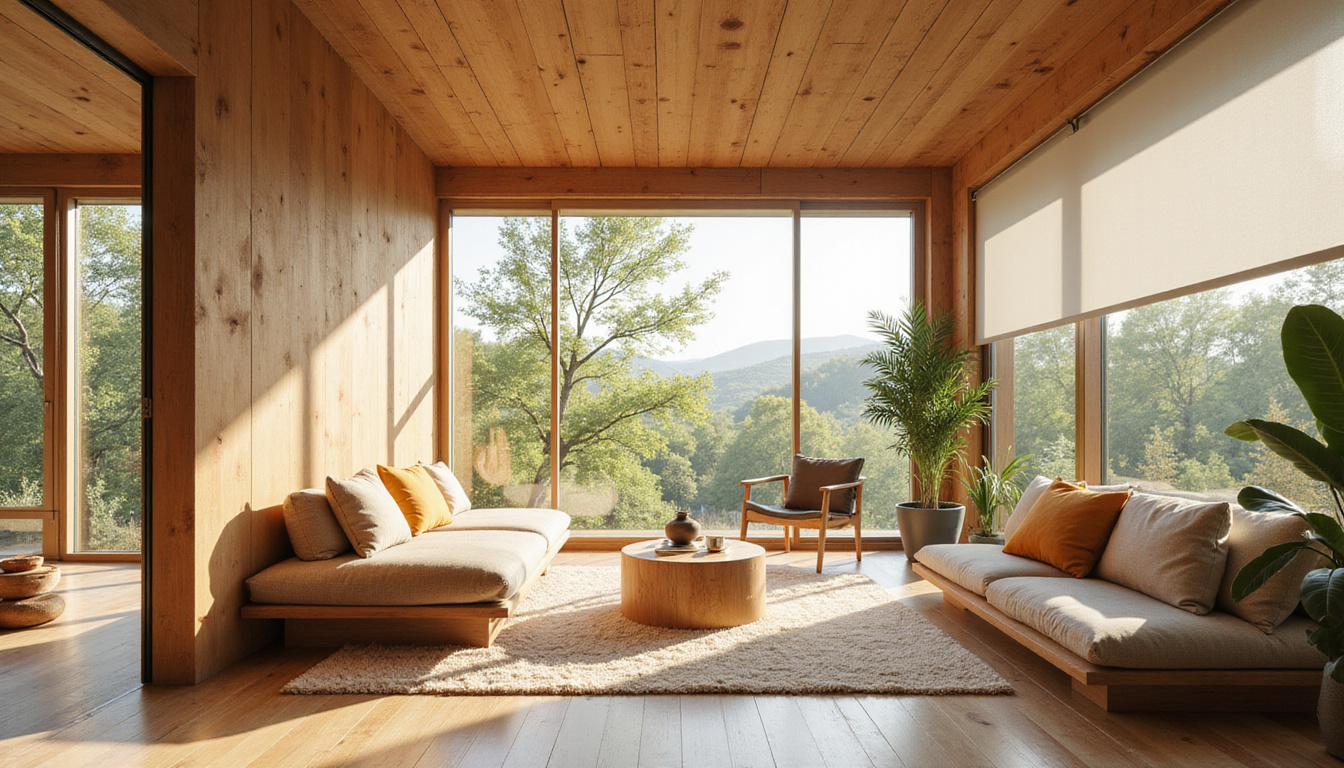
Plan Your Passive House Upgrade Path
You don’t need to do everything at once. A staged approach can be cost-effective and less disruptive—if it’s planned well.
A Sensible Sequence
- Energy audit and blower door test
- Envelope improvements (insulation and air-sealing, especially roof and foundation)
- Window and door upgrades
- Mechanical ventilation (HRV/ERV)
- HVAC right-sizing and heat pump installation
- Fine-tuning thermal bridges and shading
When planning, coordinate projects so you don’t undo previous work (for example, install window bucks and plan future insulation thickness before replacing windows).
Work with Qualified Professionals
Look for:
- Passive House–certified designers or consultants.
- Contractors with experience in deep energy retrofits.
- HVAC designers familiar with low-load buildings.
Ask to see previous projects and performance data, not just aesthetic portfolios.
Cost, Payback, and Financing Considerations
Passive house–inspired retrofits can be more expensive up front than conventional upgrades, but they deliver long-term value.
- Operational savings: Reduced utility bills every month, often with simple paybacks of 7–15 years for whole-house upgrades, faster for targeted measures like air sealing and attic insulation.
- Incentives and rebates: Many regions offer financial incentives for high-performance insulation, heat pumps, and ventilation systems.
- Avoided equipment costs: With lower heating and cooling loads, you may be able to install smaller, less expensive HVAC systems or skip ductwork expansions.
- Resilience and comfort value: Stable indoor temperatures during power outages and extreme weather are hard to quantify but increasingly important.
In some markets, high-performance homes also command higher resale values due to lower operating costs and better comfort.
FAQ: Passive House Upgrades and Retrofits
Q1: Can an existing home be turned into a passive house?
Yes. A full passive house retrofit is challenging but achievable, especially under the EnerPHit standard designed for existing buildings. Even if you don’t reach full passive house certification, applying the same principles—insulation, airtightness, high-performance windows, and HRV/ERV—can cut energy use dramatically and boost comfort.
Q2: Are passive house renovations only for cold climates?
No. Passive house design works in hot, cold, and mixed climates. In warm regions, the focus shifts more toward minimising cooling loads, managing solar gain, and maintaining comfort with efficient ventilation and shading. The core idea—dramatically reducing energy demand while improving comfort—applies everywhere.
Q3: How do passive house principles affect indoor air quality?
Passive house projects rely on continuous mechanical ventilation with heat recovery, which supplies filtered fresh air and exhausts stale air 24/7. This controlled ventilation, combined with airtight construction, usually results in much better indoor air quality than naturally ventilated, leaky homes that pull in unfiltered air through cracks and gaps.
Ready to Start Your Passive House Journey?
Every step you take toward passive house performance pays you back with lower bills, quieter rooms, and a home that simply feels better to live in. Begin with an energy audit and blower door test, then map out a phased plan for insulation, air sealing, high-performance windows, and balanced ventilation. From there, right-size your heating and cooling, and you’ll have a future-ready, comfortable, and efficient home.
If you’re serious about slashing energy use and maximizing comfort, now is the time to act. Contact a local passive house–experienced designer or consultant, schedule an in-depth assessment, and turn your home into a high-performance space that works for you—not against your wallet.