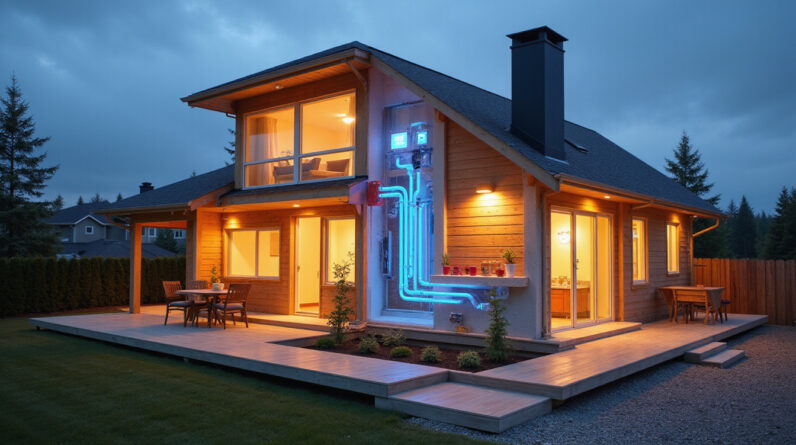


Radiant heating transforms how rooms feel by warming objects and people directly rather than moving hot air around. If you want to lower utility bills and raise comfort, radiant heating is an excellent option for many homes. This guide explains how radiant systems work, which choices save the most energy, practical installation and maintenance tips, and how to get the best comfort for your budget.

How radiant heating works
Radiant heating delivers warmth through surfaces — floors, walls, or ceilings — using heated water (hydronic systems) or electric elements. Unlike forced-air systems, radiant heating warms surfaces that then radiate heat into the room. Because heat is delivered where people are, occupants often feel comfortable at lower thermostat settings, which can reduce energy use.
Types of radiant heating systems
- Hydronic radiant floors: Warm water circulates through tubing embedded in a floor slab or panels. These systems are efficient for whole-house heating and can pair with high-efficiency boilers or heat pumps.
- Electric radiant systems: Electric cables or mats installed under flooring provide a faster response and are often used in single rooms or bathrooms.
- Radiant panels: Mounted in ceilings or walls, these panels emit infrared heat and are useful for spot or supplemental heating.
Why radiant heating can be more efficient
Radiant systems eliminate duct losses and reduce air leakage that plagues forced-air systems. Because surfaces and people are heated directly, occupants can feel comfortable at lower air temperatures. The U.S. Department of Energy notes that radiant floor systems can be more efficient in many situations, particularly when paired with a high-efficiency heat source (source).
Energy-saving strategies for radiant systems
To maximize savings and comfort with radiant heating, focus on system selection, insulation, controls, and floor coverings.
Smart design and installation
- Match the system to the house: Hydronic radiant floors work best in new construction or major renovations where floors can be built around tubing. Electric systems are easier to retrofit in individual rooms.
- Right-size the heat source: An oversized boiler or heat pump will short-cycle and waste energy. Have a qualified contractor perform heat-loss calculations.
- Use zone control: Divide the home into heating zones with independent thermostats. Zone control reduces wasted heating in unused areas.
Improve envelope efficiency
- Insulate well: Proper subfloor and slab insulation reduce downward heat loss and shorten warm-up times.
- Air sealing: Even though radiant systems don’t rely on ducts, sealing gaps reduces heat loss through walls and floors and improves overall efficiency.
- Windows and shading: Low-e glazing and thermal curtains help retain radiant heat during cold months.
Optimize controls and operation
- Use programmable or smart thermostats designed for radiant systems. These thermostats account for slower system response times and can preheat based on schedules.
- Set slightly lower air temperatures. Because radiant systems warm people directly, lowering your setpoint 1–2°F often goes unnoticed but saves energy.
- Night setback with radiant systems: Use setback carefully. Hydronic systems have thermal mass and can take longer to recover, so stagger setbacks or preheat when cheaper off-peak rates apply.
Floor coverings and furnishings
- Choose floor coverings that conduct heat: Tile and stone have high thermal conductivity and transfer heat effectively. Thick carpeting and heavy underpads can reduce system performance.
- Consider area rugs strategically: Use them where comfort and insulation are needed, but avoid placing heavy, insulating rugs over the entire surface if you rely on the floor to distribute heat.
Maintenance and long-term care
- Annual inspections: Have a technician check hydronic boilers, pumps, and manifolds annually to maintain efficiency and detect leaks early.
- Flush and treat hydronic systems as recommended: Corrosion inhibitors and periodic flushing extend equipment life and preserve flow rates.
- Keep electric systems dry and protected: Electric elements require minimal maintenance but should be inspected if you renovate or replace flooring.
Quick checklist: 7 practical steps to save energy with radiant heating
- Insulate well under slabs and around perimeter walls.
- Choose hydronic systems for whole-house efficiency; use electric for targeted retrofits.
- Install zoning and smart thermostats designed for radiant response times.
- Right-size your heat source based on a professional heat-loss calculation.
- Select floors with good thermal conductivity (tile, stone) where possible.
- Seal air leaks and upgrade windows to reduce overall heat loss.
- Schedule annual maintenance for boilers and pumps, and treat hydronic water as needed.
Cost and return on investment
Upfront costs for hydronic radiant floors tend to be higher than standard forced-air installations, especially in retrofits. However, improved comfort, lower operating temperatures, and compatibility with efficient heat pumps or condensing boilers can lead to energy savings over the system’s life. Many homeowners experience both reduced energy bills and higher perceived comfort — a combination that boosts long-term value.
Pairing radiant heating with renewable and efficient heat sources
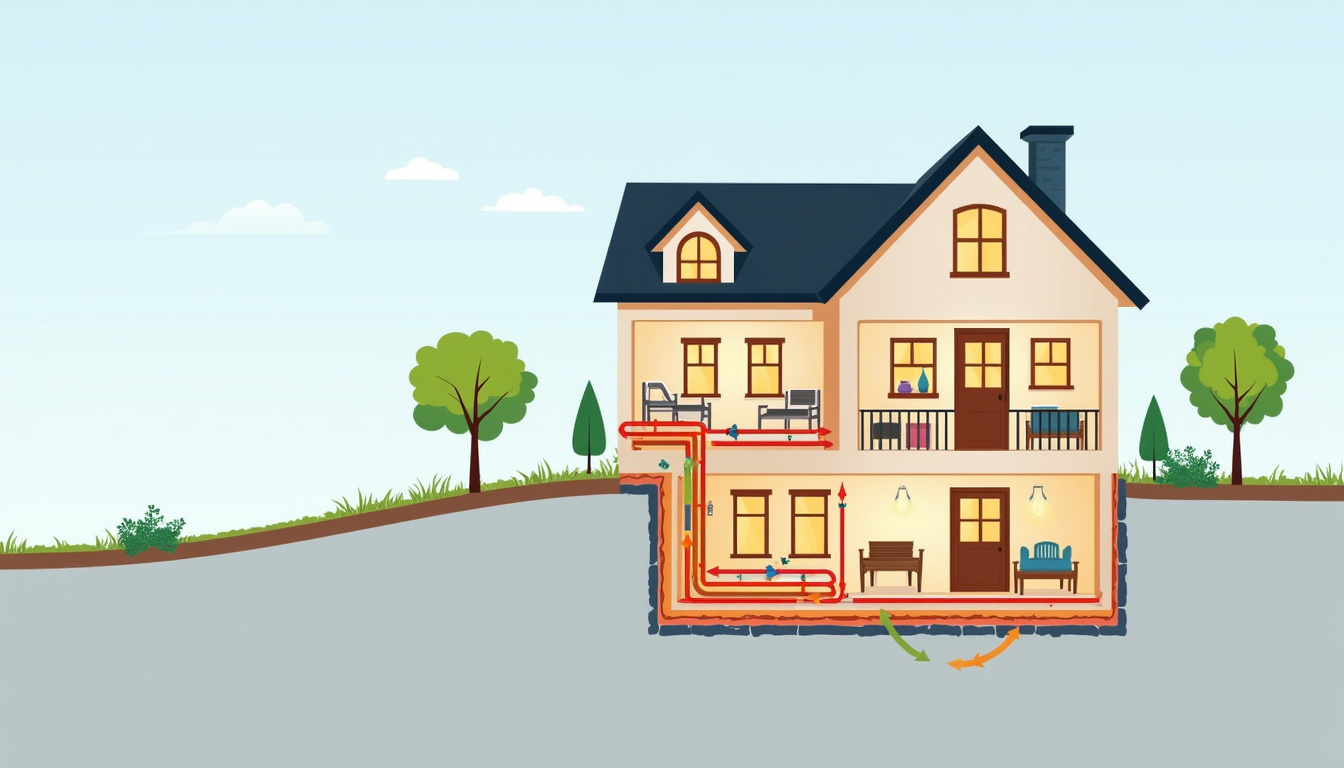
Radiant heating pairs well with heat pumps, solar thermal systems, and condensing boilers. Low-temperature heat sources like air-source heat pumps operate efficiently when supplying warm water for hydronic floors, maximizing system COP and reducing fossil fuel dependence. Consider integrating a heat pump or solar domestic hot water system to further lower operating costs.
Common myths and realities
- Myth: Radiant floors are always slow to respond. Reality: Hydronic systems do have thermal mass and slower recovery times, but proper insulation and controls minimize inconvenience. Electric mats heat quickly for bathrooms and spot zones.
- Myth: Radiant heating is only for new homes. Reality: Electric radiant systems and thin-profile hydronic panels make retrofits viable for many spaces.
- Myth: Radiant is expensive to maintain. Reality: Hydronic systems require some routine care, but well-designed systems can run reliably for decades.
FAQ — Common questions about radiant heating
Q: Is radiant heat more efficient than forced-air?
A: Radiant heating can be more efficient because it reduces duct losses and heats people and surfaces directly. Efficiency gains depend on system design, insulation, and the heat source used. Properly matched hydronic systems with efficient boilers or heat pumps often outperform forced-air in steady-state operation.
Q: What is radiant floor heating and is it right for my home?
A: Radiant floor heating uses heated water or electric elements beneath the floor to warm the room. It’s ideal in new builds or renovations where floors can be modified; electric options work well for individual rooms. Consider floor covering, insulation, and your heating habits to decide if it’s right for you.
Q: How do radiant heating systems compare — hydronic vs electric?
A: Hydronic radiant heating uses warm water and is cost-effective for whole-house heating and long-term operation. Electric systems are cheaper to install for single rooms or retrofits and provide quick response. Choose based on project scope, energy prices, and retrofit constraints.
Authoritative resources
For more technical guidance and efficiency information, consult the U.S. Department of Energy’s space heating resources and technical pages on heating systems (source).
Conclusion and call to action
Radiant heating offers a compelling combination of comfort and energy savings when designed and operated correctly. By choosing the right system type, improving insulation and air sealing, using smart controls, and pairing with efficient heat sources, you can enjoy warmer floors, lower energy bills, and a more comfortable home. Ready to explore radiant heating for your house? Contact a licensed HVAC or radiant systems professional for a site evaluation and customized plan that matches your home, climate, and budget — and take the first step toward a more comfortable, energy-efficient living space.