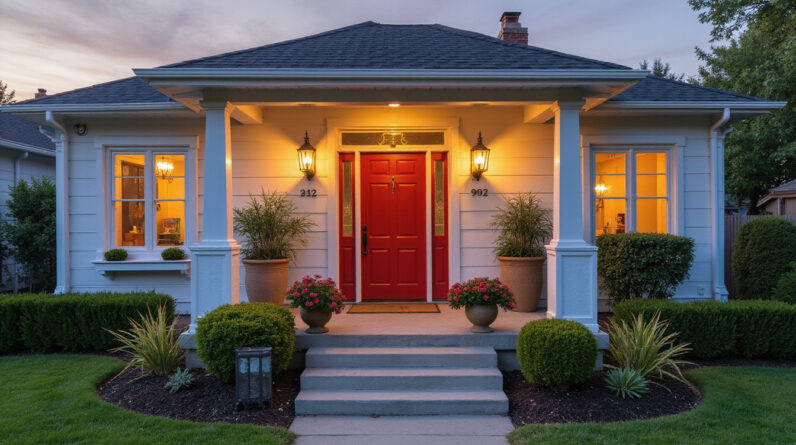


When it comes to home improvement, managing your remodeling budget is both an art and a science. Whether you’re updating a kitchen, renovating a bathroom, or adding a new room, keeping costs under control without sacrificing quality is crucial. Understanding how to plan and allocate your resources effectively can lead to significant savings while ensuring your remodel meets both your needs and style preferences.

In this guide, we’ll walk you through practical remodeling budget tips that help you save big without cutting corners. From smart planning and material choices to prioritizing expenses, these strategies will empower you to transform your space thoughtfully and affordably.
Why a Remodeling Budget Matters
A detailed remodeling budget acts as a roadmap for your project. It helps:
- Prevent overspending by setting clear financial boundaries.
- Prioritize spending on areas that impact functionality, safety, and aesthetics.
- Allow for contingencies, reducing stress when unexpected costs arise.
- Enable informed decisions on materials and labor.
Starting your remodel with a well-structured budget is the best way to keep your project on track financially and creatively.
Essential Remodeling Budget Tips to Save Big
1. Define Your Priorities Early
Before diving into the renovation, list your must-haves, nice-to-haves, and deal-breakers. This clarity guides you on where to allocate more of your remodeling budget and where you can afford to be flexible.
For example, if upgrading kitchen appliances is vital but you can compromise on countertop materials, make those decisions upfront to avoid costly changes later.
2. Plan and Research Thoroughly
Invest time in researching the scope of your project, costs for materials, labor rates, and permit requirements. Doing so gives you realistic expectations and helps identify potential cost-saving opportunities.
Creating a detailed project timeline also reduces the likelihood of delays, which can increase labor costs.
3. Get Multiple Quotes from Contractors
Don’t settle for the first estimate you receive. Obtain at least three quotes to compare prices, proposed timelines, and included services. Remember, the cheapest option isn’t always the best value—look for contractors with strong references and transparent pricing.
4. Focus on Quality, Not Quantity
Cutting corners on quality materials or workmanship often leads to expensive repairs in the future. Instead, focus on durable, long-lasting materials in key areas, like flooring and cabinetry. This approach reduces lifecycle costs and increases your home’s resale value.
5. Reuse and Repurpose Materials
Salvaging existing fixtures, doors, or cabinets can drastically reduce your remodeling budget while adding character to your space. For example, refinishing hardwood floors or repainting cabinets costs less than full replacements.
6. DIY Where Possible
Tackling smaller tasks such as painting, demolition, or installing backsplashes yourself can save hundreds or even thousands of dollars. However, know your limits when it comes to electrical or plumbing work, which often requires licensed professionals.
Smart Material Choices to Stretch Your Remodeling Budget
Choosing the right materials is key to balancing appearance, durability, and cost-effectiveness.
- Countertops: Consider engineered quartz or laminates instead of marble or granite.
- Flooring: Luxury vinyl plank and ceramic tiles can mimic hardwood or stone at a fraction of the price.
- Cabinetry: Semi-custom cabinets offer a good balance between cost and customization.
- Fixtures: Shop clearance sales or factory outlets for discounted but quality plumbing and lighting fixtures.
By selecting sensible alternatives, you can achieve the aesthetic you want while spending wisely.

Creating a Contingency Fund
Unexpected expenses are common during remodeling projects. Set aside at least 10-15% of your total remodeling budget as a contingency fund. Planning for these surprises prevents you from depleting your primary budget and avoids project delays.
Top Remodeling Budget Tips: A Quick Checklist
- Define your renovation goals and priorities.
- Research materials and labor costs meticulously.
- Obtain multiple reliable contractor quotes.
- Invest in durable, quality materials.
- Consider repurposing and DIY opportunities.
- Maintain a contingency fund for unforeseen expenses.
- Track all expenses regularly to stay within budget.
Remodeling Budget FAQs
Q1: How can I estimate a realistic remodeling budget?
A1: Start by assessing the scope of work, research local material and labor costs, and consult with contractors to get detailed quotes. Using online cost calculators can also provide ballpark figures. Don’t forget to include permit fees and a contingency fund.
Q2: What are common areas where homeowners overspend during a remodel?
A2: Many overspend on upgrades like high-end appliances, custom cabinetry, or luxury finishes without prioritizing essential repairs. Delays due to poor planning or unforeseen structural problems can also inflate costs.
Q3: Can remodeling be affordable without sacrificing quality?
A3: Absolutely! Smart planning, prioritizing critical areas, choosing cost-effective materials, and doing some work yourself can keep your remodeling budget under control while maintaining quality.
The Importance of Professional Advice
Even the best DIY homeowners benefit from professional guidance. Architects, designers, and experienced contractors can provide insights on optimizing your remodeling budget while enhancing the design and functionality of your home. According to the National Association of Home Builders (NAHB), involving professionals early in the process significantly reduces costly mistakes (source).
Conclusion: Start Your Remodeling Project Today with Confidence
Remodeling your home doesn’t have to break the bank or force you into making compromises on quality. By following these effective remodeling budget tips, you can save big while achieving a beautiful, functional space tailored to your lifestyle. Remember, the key lies in careful planning, smart spending, and working with trusted professionals who prioritize your vision and budget.
Ready to take the first step toward your dream remodel? Start outlining your priorities and researching local options today. With the right approach, your renovation can be a rewarding investment that enhances your home and your life for years to come.