

In today’s quest for energy efficiency and cost savings, homeowners and builders are increasingly turning to innovative insulation solutions. Among these, spray foam insulation has gained popularity due to its superior sealing capabilities and energy-saving potential. If you’re considering upgrading your home’s insulation, understanding the benefits and best practices of spray foam insulation will help you make informed decisions that enhance comfort, reduce energy bills, and promote sustainability.

What Is Spray Foam Insulation?
Spray foam insulation is a versatile, high-performance insulating material that is applied as a liquid and expands into a foam, filling gaps, cracks, and cavities. This process creates an air-tight seal, minimizing heat transfer and air leakage. There are generally two types of spray foam: open-cell and closed-cell, each suited for different applications and with distinct properties.
The Key Benefits of Spray Foam Insulation
-
Superior Air sealing: Unlike traditional fiberglass or cellulose insulation, spray foam expands upon application, sealing air leaks effectively. This leads to less drafts, improved indoor air quality, and increased energy efficiency.
-
Enhanced Energy Efficiency: Spray foam reduces thermal bridging and air infiltration, making your heating and cooling systems work less hard, thus lowering energy bills.
-
Moisture Barrier & Mold Resistance: Closed-cell spray foam acts as a moisture barrier, helping prevent mold growth and water damage, which preserves structural integrity.
-
High R-Value per Inch: Spray foam provides a higher R-value (thermal resistance) compared to many traditional insulations, meaning better insulation performance in less space.
-
Structural Support: Closed-cell spray foam adds strength to walls and roofs, contributing to overall building durability.
-
Long-Term Durability: When properly installed, spray foam maintains its insulating properties over decades, with minimal settling or degradation.
Best Practices for Installing Spray Foam Insulation
Achieving maximum benefits from spray foam insulation hinges on correct application techniques. Here are some best practices to consider:
-
Professional Installation: Due to the technical complexity and safety considerations, professional installation is highly recommended. Certified installers follow manufacturer guidelines to ensure optimal performance.
-
Proper Surface Preparation: Surfaces should be clean, dry, and free of debris or moisture before application.
-
Temperature and Humidity Control: The ambient temperature and humidity levels should be within the specified range for spray foam application, typically between 70-85°F (21-29°C).
-
Draft and Ventilation Management: Proper ventilation during installation ensures that fumes are safely ventilated, and the foam cures evenly.
-
Layering Techniques: For thicker applications, spray foam should be applied in multiple layers with appropriate curing time between coats.
-
Post-Installation Inspection: Check for uniform coverage, proper adhesion, and any pinhole or gaps that might compromise the insulation’s integrity.
Common Areas for Spray Foam Application
- Attics and Roof Lines
- Wall Cavities (especially in remodeling projects)
- Basements and Foundations
- Crawlspaces
- HVAC Ducts
Cost Considerations and Energy Savings
Compared to traditional insulation methods, spray foam insulation has a higher upfront cost. However, the investment pays off through substantial energy savings over time. According to the U.S. Department of Energy, well-insulated homes can save 10-50% on heating and cooling costs. Plus, the additional benefits like moisture control and structural support can reduce long-term maintenance expenses.
Environmental Impact and Safety
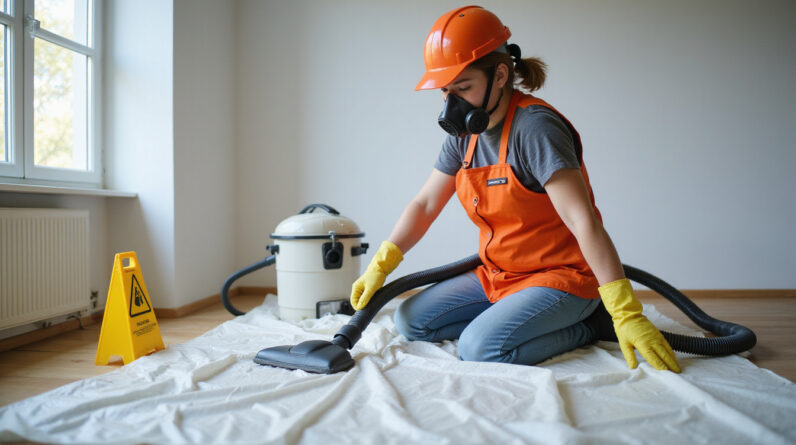
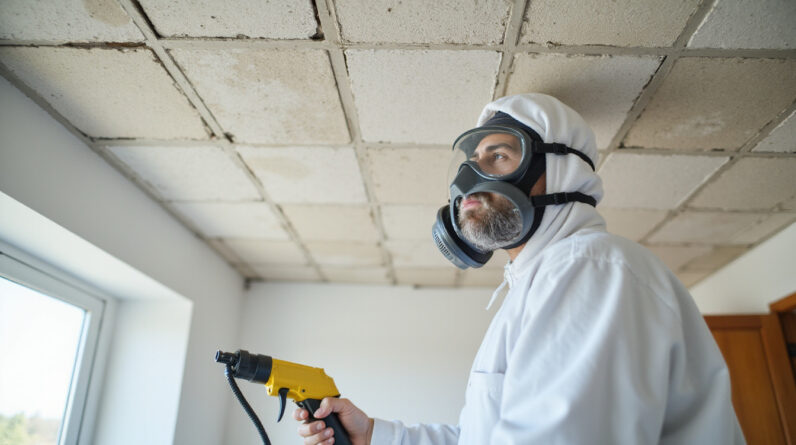
Modern spray foam products are formulated to meet stringent environmental standards, but safety during installation is vital. Properly trained professionals use protective gear to prevent inhalation of fumes. Once cured, spray foam is inert and poses minimal health risks.

FAQs About Spray Foam Insulation
Q1: Is spray foam insulation worth the investment?
A1: Yes, especially considering the energy savings, moisture prevention, and durability it offers. Though initial costs are higher, long-term benefits tend to outweigh the expense.
Q2: Can spray foam insulation be applied in existing walls?
A2: Absolutely. It is often used in retrofit projects to insulate existing walls, cavities, and even around wiring and plumbing.
Q3: How does spray foam compare with traditional insulation in terms of environmental impact?
A3: Spray foam generally has a lower environmental impact over its lifespan due to energy savings. However, sourcing eco-friendly formulations can further reduce its footprint (source).
Conclusion: Take the Next Step Towards an Energy-Efficient Home
Spray foam insulation is transforming the way we approach home comfort and energy conservation. Its unparalleled sealing properties, durability, and moisture resistance make it a smart choice for both new constructions and renovation projects. To maximize its benefits, seek professional installation from certified experts and adhere to best practices. Investing in spray foam insulation not only enhances your living space and reduces utility bills but also contributes positively to environmental sustainability.
Ready to upgrade your insulation? Contact a trusted spray foam insulation contractor today and start enjoying a more comfortable, energy-efficient home tomorrow!