

If your floors squeak, feel spongy, or show signs of water damage, it’s time to think seriously about subfloor repair. The subfloor is the structural layer beneath your finished flooring, and when it’s compromised, you’ll eventually face bigger issues: warped floors, mold, and even structural damage. The good news is that many common subfloor problems can be fixed with planning, basic tools, and some targeted techniques.

Below are 10 pro tips to help you diagnose squeaks and rot, choose the right repair methods, and prevent future damage.
Understanding What a Subfloor Actually Does
Before diving into repairs, it helps to understand what you’re working on.
Your flooring assembly typically has three main layers:
- Joists – Structural framing members (usually wood or engineered lumber) that span across the room.
- Subfloor – Sheets of plywood or OSB attached to the joists; this is the structural “deck.”
- Underlayment + Finished Floor – Underlayment (optional) and your visible floor (hardwood, carpet, tile, etc.).
When pros talk about subfloor repair, they’re usually fixing the sheet material attached to the joists, plus any related fastening or minor joist issues. Squeaks usually point to movement between the subfloor and joists; rot points to moisture problems that must be addressed at the source.
1. Diagnose the Problem: Squeak, Bounce, or Rot?
The first step is pinpointing the problem type and its location.
Common subfloor symptoms:
- Squeaks or creaks – Usually from wood rubbing on fasteners or joists.
- Bouncy or springy areas – Often a sign of loose subfloor, undersized joists, or water damage.
- Soft spots or crumbling wood – Indicates rot or severe moisture damage.
- Musty smells or visible mold – Suggests an ongoing moisture problem in or under the subfloor.
Walk slowly across the room and mark suspicious spots with painter’s tape or a pencil. Check from below (in a basement or crawl space) to see the underside of the subfloor and joists. Look for dark staining, sagging, or separation at seams.
If you suspect structural damage, extensive rot, or termite activity, consult a licensed contractor or structural engineer for safety.
2. Locate Squeaks Precisely (Top and Bottom)
Effective squeak-related subfloor repair starts with precision. Randomly driving screws through flooring can damage finished surfaces or miss the real trouble spot.
From above:
- Have someone walk the floor while you listen closely.
- Use your foot to press around until you find the exact board or seam that squeaks.
- Mark the spot with painter’s tape.
From below (if accessible):
- Have a helper walk and squeak the floor while you watch the joists and subfloor.
- Look for movement at the nail or screw lines and gaps between subfloor and joists.
- Mark the joist locations on the underside.
If you don’t have access from below, use a stud finder with deep-scan mode or measure from known reference points (walls) to locate joists from above.
3. Re-Fasten Loose Subfloor with Screws (Not Nails)
One of the most reliable pro tips for quieting squeaks is to mechanically re-attach the subfloor to the joists.
Why screws, not nails?
- Screws pull the subfloor tight to the joist and stay put.
- Nails can work loose over time with seasonal expansion and foot traffic.
Basic method:
- Identify joist locations and mark straight lines across the squeaky area.
- Pre-drill if working through hardwood or brittle materials.
- Drive deck or construction screws (2½"–3" for typical ¾" subfloor) every 6–8" along the joist lines.
- Ensure screw heads are slightly countersunk, not proud.
For carpeted floors you don’t want to remove, there are specialized “squeak repair” kits with breakaway screws that tighten the subfloor without damaging carpet.
4. Use Construction Adhesive to Stop Future Movement
Pros don’t just rely on mechanical fasteners; they often combine screws with adhesive to lock the assembly together.
When to use adhesive:
- During a larger subfloor repair when you can lift or replace sheets.
- When you have access from below and can inject adhesive into visible gaps.
How to apply:
- Run a continuous bead of high-quality construction adhesive along the top edge of joists before re-laying subfloor panels.
- For minor repairs from below, use a caulk gun to fill small gaps between joist and subfloor, then brace the area until the adhesive cures.
- Avoid overfilling; excess adhesive can make panels ride up if not clamped or screwed tight.
Modern building codes and best practices often recommend glue + fasteners for optimal squeak resistance (source: APA – The Engineered Wood Association).
5. Replace Rotten Sections, Don’t Just Patch the Surface
If you have rot, the only real cure is removal of damaged material. Surface fillers may hide the problem but won’t restore structural strength.
Identify the extent of damage:
- Probe suspicious areas with a screwdriver from above and below.
- Soft, spongy, or crumbly wood that you can easily push into must be cut out.
- Follow the rot until you reach solid, sound wood around all sides.
Cutting out and replacing:
- Use a circular saw set just deep enough to cut through the subfloor, not the joists or wiring.
- Cut back to the center of a joist whenever possible so the new panel ends have solid bearing.
- Remove the damaged section carefully; watch for hidden wires or pipes.
- Install blocking if the edges don’t fall over joists (see next tip).
- Replace with matching thickness plywood or OSB, glued and screwed in place.
Don’t leave isolated “islands” of damaged wood, even if they’re not currently soft; moisture damage spreads and compromises fasteners.
6. Add Blocking and Bridging for Extra Support
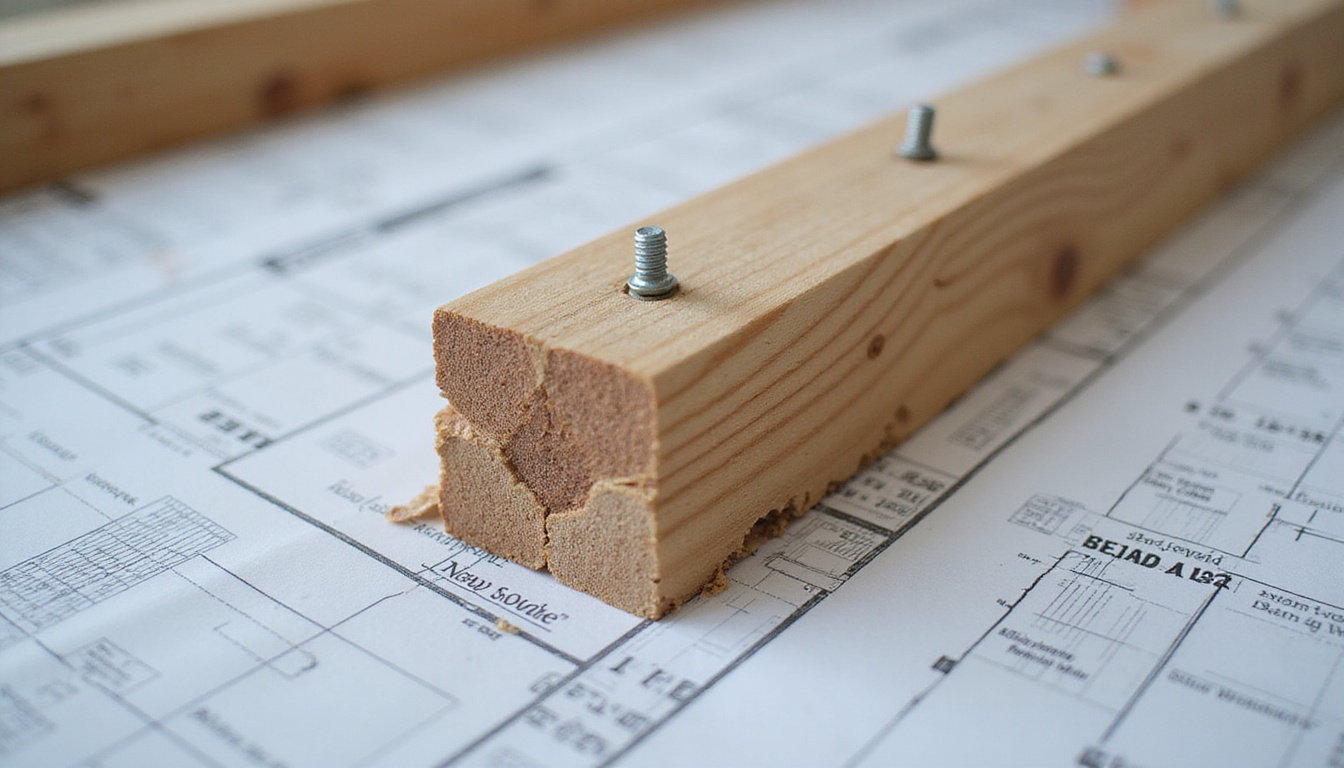
When repairs don’t line up neatly with joists, carpenters add blocking (short pieces of lumber between joists) to support new panel edges and eliminate flex.
Why blocking helps:
- Provides firm nailing/screwing surfaces under seams.
- Reduces bounce in high-traffic areas.
- Helps tie joists together, distributing loads.
Basic blocking steps:
- Cut 2x lumber to fit snugly between joists.
- Secure blocks with screws or structural nails through the joist sides.
- Run construction adhesive along the top of blocking before installing new subfloor.
In long spans or very bouncy floors, additional joist bridging (diagonal or “X” bracing) can further stiffen the structure and reduce movement-related squeaks.
7. Deal with Plumbing Leaks Before Any Subfloor Repair
Rot around toilets, tubs, sinks, or dishwashers is almost always caused by leaks. Replacing the subfloor without stopping the water source guarantees you’ll be back at it in a year or two.
Common leak-prone areas:
- Toilets with failed wax rings.
- Showers/tubs with cracked caulk or failed pan liners.
- Dishwashers and fridges with ice makers.
- Washing machines and nearby supply lines.
Before installing any new wood:
- Fix or replace leaking fixtures.
- Install or update waterproof membranes or pans if appropriate.
- Upgrade to proper bathroom/kitchen ventilation to reduce condensation.
Once the moisture issue is resolved, dry the area thoroughly with fans and dehumidifiers before closing up the floor.
8. Choose the Right Subfloor Material and Thickness
When you’re doing larger-scale subfloor repair or replacement, your material choice affects performance and longevity.
Common options:
-
Plywood (tongue-and-groove)
- Strong in both directions, good for long-term durability.
- Preferred under hardwood and tile.
-
OSB (Oriented Strand Board)
- Cost-effective and commonly used in new construction.
- Needs to be kept dry; extended exposure to water can cause swelling.
-
Best practices:
- Use minimum ¾" T&G subfloor over joists 16" on center for most floors.
- For tile or stone, consider double-layer subfloor/underlayment systems for stiffness.
- Use panels rated for Exposure 1 or better for moisture resistance in areas like kitchens and baths.
Check local codes and manufacturer recommendations, especially when installing brittle finishes like ceramic tile.
9. Don’t Ignore Mold and Indoor Air Quality
Where there’s rot, there’s often mold. Even if the structure seems sound, lingering mold can impact indoor air quality.
Address mold proactively:
- Wear proper PPE (N95 mask or better, gloves, goggles).
- Cut out and bag obviously mold-contaminated subfloor for disposal.
- Clean remaining surfaces (joists, blocking) with a detergent solution or a mold-specific cleaner.
- Allow ample drying time and ventilation.
In extensive cases or if household members have respiratory issues, consider a professional mold assessment. Encapsulation products and sealers can help, but they should never be used to hide active leaks or moist, decaying wood.
10. Prevent Future Problems with Smart Design and Maintenance
The best subfloor repair is the one you never need again. Once repairs are complete, protect your investment:
- Improve ventilation in crawl spaces and attics to reduce moisture buildup.
- Install and maintain gutters and downspouts to keep water away from the foundation.
- Use proper underlayment and moisture barriers under finished floors (e.g., vapor retarder under hardwood on slab, cement board under tile in wet areas).
- Fix minor leaks quickly and don’t ignore small floor changes or new squeaks.
- Control indoor humidity with exhaust fans and dehumidifiers where necessary.
Regular inspections—especially under bathrooms, kitchens, and laundry rooms—can catch minor issues before they become major repairs.
Quick Checklist: Subfloor Repair Essentials
Use this list to plan and double-check your project:
- Identify problem type (squeak, bounce, rot, mold).
- Mark precise locations from above and below.
- Fix any active moisture or leak sources first.
- Cut out and replace any rotten or severely damaged areas.
- Use construction adhesive + screws, not nails alone.
- Add blocking/bridging where needed for support.
- Match subfloor thickness and use quality materials.
- Address mold and dry everything thoroughly.
- Reinstall or upgrade moisture barriers and underlayment.
- Monitor the area over the next few months for movement or odor.
FAQ: Common Questions About Subfloor Repair and Squeaks
Q1: How much does professional subfloor repair typically cost?
Costs vary widely depending on access and damage. Small squeak fixes might run a few hundred dollars, while replacing rotten subfloor in a bathroom can range from $800–$2,500 or more, especially if joists or finishes (tile, custom cabinetry) are involved. Get multiple quotes and make sure each includes leak repair and structural work, not just surface fixes.
Q2: Can I do subfloor replacement myself, or should I hire a pro?
DIY subfloor replacement is realistic for experienced homeowners comfortable with saws, structural framing, and basic plumbing or electrical considerations. If you’re dealing with major rot, structural joist damage, or complex bathrooms and kitchens, hiring a professional is usually safer and more cost-effective in the long run.
Q3: What’s the best way to fix a squeaky floor without removing the finished flooring?
For squeaky floor repair without removing finish materials, locate the joists with a stud finder and drive special squeak-removal screws through carpet (using a kit) or carefully through hardwood, then fill holes with matching putty. When you have access from below, you can add screws or adhesive at the subfloor–joist connection and install blocking to tighten everything up.
A solid, quiet floor starts with a healthy subfloor. Whether you’re stopping a few annoying squeaks or tackling serious water damage, taking the time to plan your subfloor repair properly will protect your home, your air quality, and your investment in finished flooring. If your project feels bigger than a weekend job—or if you suspect structural issues—reach out to a qualified flooring or structural contractor today and get a professional assessment and estimate before problems get worse.