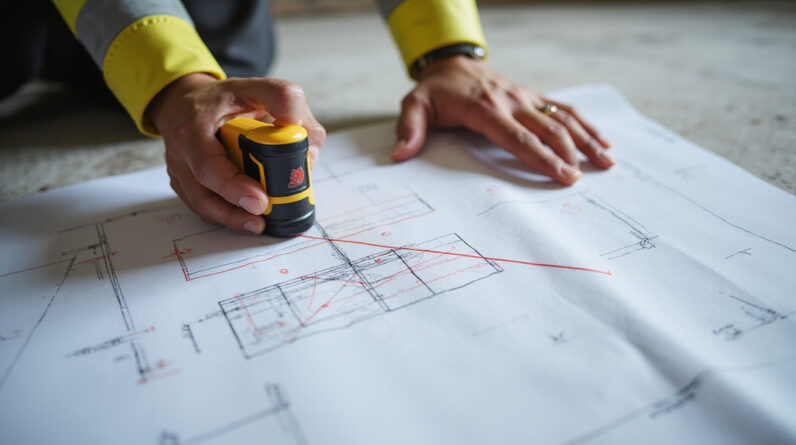


Value Engineering Strategies: Boost Performance and Slash Project Costs
Value engineering is one of the most powerful—yet often misunderstood—methods for improving project outcomes. Done right, value engineering (VE) helps you boost performance, reduce lifecycle costs, and eliminate waste without sacrificing quality or safety. Done poorly, it devolves into simple cost-cutting that damages long-term value.

This guide walks through practical value engineering strategies you can apply to construction, manufacturing, product development, and even service design. You’ll learn how to structure a VE effort, engage stakeholders, and identify opportunities that genuinely improve value instead of just trimming budgets.
What Is Value Engineering, Really?
At its core, value engineering is a systematic, organized approach to improving the value of a project, product, or process. Value is commonly defined as:
Value = Function / Cost
- Function: What something must do (performance, reliability, safety, aesthetics, user experience).
- Cost: Total resources required (initial cost, operations, maintenance, energy, disposal, etc.).
Value engineering aims to preserve or enhance function while reducing total cost, or improve function more than any associated cost increase.
Value Engineering vs. Cost Cutting
It’s crucial to distinguish between the two:
-
Value engineering:
- Focuses on essential functions.
- Explores alternative ways to deliver those functions.
- Considers lifecycle costs, not just upfront price.
- Prioritizes performance, safety, and quality.
-
Cost cutting:
- Often targets line items without functional analysis.
- May reduce quality, durability, or user satisfaction.
- Focuses primarily on immediate budget relief.
A good value engineering process never sacrifices key functions just to hit a number.
The Classic Value Engineering Job Plan
Traditional VE uses a structured “job plan,” formalized by organizations like SAVE International (source: SAVE International). Though often used in construction, the steps apply across industries:
- Information Phase
Understand project goals, constraints, and current design. - Function Analysis Phase
Break down the project into functions and prioritize them. - Creative Phase
Brainstorm alternative ways to achieve those functions. - Evaluation Phase
Screen and rank ideas based on value improvement. - Development Phase
Develop the best ideas into feasible proposals. - Presentation/Implementation Phase
Present recommendations and execute approved changes.
Let’s turn this framework into concrete strategies you can use.
Strategy 1: Start VE Early—At Concept, Not After Design
The earlier you start value engineering, the more impact it has and the less disruption it causes.
- In construction, try to perform VE during schematic design or design development—not when drawings are 95% complete.
- In product development, engage in VE during requirements and concept design, before tooling and supplier commitments are fixed.
Why it matters:
- Early changes affect foundational decisions (structural systems, material families, process technology).
- Late “VE” often becomes scrambling to cut line items, with limited options and more risk.
Action tip: Add a VE checkpoint to your project lifecycle: one at concept, one at mid-design, and, if needed, a brief one post-bid to resolve budget gaps without undermining key functions.
Strategy 2: Use Function Analysis to Avoid Blind Spots
Function analysis is the backbone of serious value engineering. The goal is to define what each component must do, in clear, concise terms.
How to do simple function analysis
- List key components, systems, or activities.
- Describe each in a verb–noun format (e.g., “support load,” “control temperature,” “protect users”).
- Ask:
- Is this function essential or secondary?
- Are we over-delivering on this function relative to its importance?
- Can another method deliver this function more efficiently?
This approach often reveals:
- Features nobody truly needs.
- Over-specified materials or tolerances.
- Duplicate systems delivering the same function.
Example:
Instead of saying “10 mm steel bracket,” define the function as “support 500 kg safely with 2x safety factor.” That opens the door to alternative materials, forms, or manufacturing methods that achieve the same function at lower cost.
Strategy 3: Target High-Cost / Low-Value Areas First
Not all parts of a project deserve equal attention. Focus your value engineering efforts where they’ll produce the biggest gains.
Steps to prioritize:
- Rank components by cost impact (materials, labor, and installation).
- Rate their functional importance (critical, important, nice-to-have).
- Flag items that are high-cost but low-to-medium importance.
Common candidates include:
- Architectural finishes and non-structural materials.
- Redundant systems or oversized capacities.
- Over-specified equipment or premium brands without functional justification.
- Complex assemblies that could be standardized or modularized.
This ensures your VE workshop doesn’t waste time on low-impact tweaks while ignoring the real cost drivers.
Strategy 4: Optimize Materials and Specifications
One of the most direct value engineering strategies is to re-evaluate material choices and specification levels.
What to look for:
- Over-specification:
- Excessive strength, thickness, or grade “just in case.”
- Ultra-tight tolerances where standard is sufficient.
- Premium brands without performance need:
- Substitutable with lower-cost equivalents that meet the same standards.
- Local availability and logistics:
- Long lead times and imported materials can drive up both cost and risk.
- Alternative materials:
- Steel vs. engineered wood.
- Cast vs. fabricated components.
- Traditional vs. composite materials.
A good VE proposal doesn’t simply pick cheaper materials; it aligns specs with actual performance requirements, documented through calculations, tests, or standards.
Strategy 5: Simplify Design and Construction/Assembly
Complexity is the enemy of value. Simplifying designs often yields lower costs, shorter schedules, and fewer defects without sacrificing function.
Consider:
- Standardization:
- Use common part sizes, profiles, and details.
- Reduce unique part counts to simplify purchasing and assembly.
- Modularization:
- Prefabricate assemblies offsite.
- Use pre-assembled units that reduce site labor time.
- Detail rationalization:
- Simplify interfaces between systems (e.g., architectural and structural).
- Minimize bespoke or highly customized elements when not critical.
Result: Fewer RFIs, fewer change orders, less rework, and a smoother build or manufacturing process.
Strategy 6: Focus on Lifecycle Cost, Not Just Capital Cost
True value engineering looks beyond the initial price tag and considers total cost of ownership (TCO):
- Energy consumption.
- Maintenance frequency and ease.
- Consumables and spare parts.
- Expected lifespan and replacement costs.
- Downtime and productivity loss.
Sometimes, a slightly higher upfront cost delivers significantly lower operating costs and better reliability, resulting in higher overall value.

Example:
Upgrading to energy-efficient HVAC equipment might raise initial cost by 8% but cut energy usage by 20–30% over decades—outweighing the capital difference.
Whenever you propose a VE change, include:
- Initial cost comparison.
- Rough operating cost impact.
- Payback period or TCO comparison over the expected life.
Strategy 7: Engage Multidisciplinary Teams and End Users
The best value engineering outcomes come from cross-functional collaboration.
Include representatives from:
- Design/engineering.
- Construction or manufacturing.
- Procurement and supply chain.
- Operations and maintenance.
- Finance/owners.
- Key end users, if possible.
Why this matters:
- Designers know why things were done a certain way.
- Builders know what’s hard, slow, or error-prone.
- Operators know what fails, what’s hard to maintain, and what users actually care about.
- Finance ensures proposals align with budget and ROI targets.
A multidisciplinary VE workshop surfaces ideas one discipline alone would miss and balances performance, cost, and practicality.
Strategy 8: Manage Risk and Quality in VE Proposals
Any serious value engineering review must consider risk and quality implications. For each proposed change:
- Evaluate impacts on:
- Safety and compliance.
- Structural integrity and reliability.
- User experience and aesthetics.
- Schedule and procurement risk.
- Ask:
- Does this introduce new failure modes?
- Are we relying on unproven technology or suppliers?
- What’s the contingency if this alternative underperforms?
Document these assessments clearly. Good VE proposals include:
- Description of the change.
- Functional equivalence or improvement.
- Cost and schedule impacts.
- Risks and mitigation strategies.
This protects against shortsighted decisions that trade long-term reliability for short-term savings.
Strategy 9: Use Data and Lessons Learned
Value engineering improves dramatically when it draws on real project data instead of just intuition.
Leverage:
- Past project cost reports.
- Failure and warranty data.
- Maintenance logs and service histories.
- Supplier performance records.
- Post-occupancy or post-launch reviews.
Use this information to:
- Identify chronic cost or reliability issues to target.
- Validate or reject recurring VE ideas based on outcomes.
- Build a library of vetted VE options for future projects.
Creating a simple internal database of “approved VE solutions” can accelerate decision-making and improve consistency across your portfolio.
Strategy 10: Institutionalize Value Engineering in Your Process
To get consistent benefits, embed value engineering into your standard procedures rather than treating it as a one-off emergency measure.
You might:
- Add VE gates to your stage-gate or design review process.
- Establish guidelines on when VE workshops are required (e.g., above certain budget thresholds).
- Train staff in basic VE and function analysis techniques.
- Create templates for VE proposals and tracking outcomes.
- Reward teams for implemented VE ideas that enhance value, not just cut cost.
Over time, this shifts your culture from “we do VE only when we’re over budget” to “we continuously optimize value from day one.”
Practical Checklist: Running a Value Engineering Workshop
Use this checklist to structure your next VE effort:
- Define goals and constraints (scope, performance, budget, schedule).
- Assemble a cross-functional team.
- Collect and distribute key documents and data in advance.
- Perform function analysis on major systems/components.
- Identify high-cost, lower-value targets.
- Brainstorm alternatives without judgment.
- Evaluate ideas for cost, performance, risk, and lifecycle impact.
- Develop top ideas into detailed proposals.
- Review and approve with stakeholders and decision-makers.
- Track implementation and capture lessons learned.
FAQ: Common Questions About Value Engineering
1. What is value engineering in project management?
In project management, value engineering is a structured approach to maximizing the function and performance of a project relative to its cost. It uses multidisciplinary workshops, function analysis, and alternative design solutions to ensure the project meets or exceeds requirements at the lowest reasonable lifecycle cost.
2. How does value engineering in construction differ from cost reduction?
Value engineering in construction focuses on delivering required performance and quality at optimal cost, often by revisiting materials, systems, and construction methods. Simple cost reduction may remove scope or quality without analyzing functions or long-term impacts. VE preserves essential functions and considers safety, durability, and lifecycle costs.
3. When should value engineering be applied during product design?
Value engineering should begin early in product design, during concept and preliminary design stages, when changes are inexpensive and flexible. Applying VE only after designs are finalized limits options and often leads to compromises. Early VE enables better choices in architecture, materials, and manufacturing methods.
Turn Value Engineering into a Competitive Advantage
Organizations that treat value engineering as a strategic capability consistently deliver better-performing, more cost-effective projects and products. They win more bids, reduce warranty problems, and build stronger customer trust.
You don’t need a giant team to start. Begin with one upcoming project:
- Schedule a focused VE workshop early in design.
- Apply function analysis to your top cost drivers.
- Challenge specifications, materials, and complexity with lifecycle cost in mind.
- Capture the best ideas as standard options for future work.
If you’d like help building a repeatable value engineering process, from workshop templates to evaluation tools and training, now is the time to act. Start integrating value engineering into your next project, and turn budget pressure into an opportunity to deliver smarter, leaner, higher-performing solutions.