

Introduction: why wallpaper is the designer’s secret weapon
Wallpaper is one of the fastest, most transformative tools designers use to upgrade a room. In a few hours you can change scale, mood, and personality without costly construction. Whether you choose a bold mural, a subtle texture, or removable grasscloth, wallpaper gives immediate visual impact and can solve common design challenges like low ceilings, awkward focal points, and flat color palettes.

How designers think about wallpaper before choosing a pattern
Designers don’t pick a wallpaper because it’s pretty — they pick it because it solves a problem. Before selecting a print, pros consider:
- The room’s light and size: small, dim rooms need lighter scales; large, bright rooms can handle dramatic patterns.
- The architecture: trim, moldings, and ceiling height influence pattern placement and repeat.
- The function: high-traffic spaces need durable or washable wallpaper; short-term rentals might favor removable options.
Designers also test swatches in the actual room and view them at different times of day. That small step separates a good installation from a regrettable one.
Choose pattern and scale like a pro
Scale matters more than you think. Large motifs make small rooms feel cozier and can mask uneven walls, while tiny repeats create texture without shouting. A quick guideline designers use:
- Small rooms or alcoves: choose small- to medium-scale patterns.
- Rooms with tall ceilings: consider large-scale murals or vertical stripes to emphasize height.
- Busy furniture or patterned rugs: pair with toned-down or geometric wallpaper to balance the composition.
Color temperature is equally important. Warm-toned wallpapers add coziness; cool tones open up space. Consider undertones in your sofa, flooring, and trim to ensure the wallpaper complements rather than clashes.
Prep and installation tips that save time and money
The fastest upgrades are the ones that start with good preparation. Designers follow these steps to ensure a smooth, speedy install:
- Clean and prime walls — wallpaper adheres best to a smooth, clean surface.
- Repair dents and sand bumps — a flat substrate prevents pattern distortion.
- Measure twice, order extra — always buy extra paper to account for matching and mistakes.
- Use professional tools: a paste brush, seam roller, and wallpaper smoother speed the process.
For renters or quick updates, removable peel-and-stick wallpaper is a godsend. It installs quickly, leaves minimal residue when removed, and offers the same visual benefits as traditional paper in many designs.
Creative ways designers use wallpaper beyond a single accent wall
Designers stretch the value of wallpaper by using it in unexpected places. These options deliver big impact with relatively little material or effort:
- Inside bookcases or display cabinets to add depth.
- On ceilings to create a “fifth wall” that draws the eye upward.
- Behind headboards when a full wall install isn’t desired.
- On closet doors or pantry interiors for a delightful surprise.
- As drawer liners or the back of glass-front cabinets.
These small applications give the same curated look as treating an entire room, but with faster installation and lower cost.
Mixing wallpaper with paint and textiles
One common mistake is treating wallpaper as an either/or choice with paint. Designers blend them. Use wallpaper on the focal wall and a complementary paint color around it to create cohesion. When pairing with textiles, pick one motif to echo in throw pillows or curtains — this ties the room together without becoming matchy-matchy.
If your wallpaper has multiple colors, select a main color from the pattern for large surfaces (like trim or bookshelves) and an accent color for smaller items. The result is a layered, designer look that feels intentional.
Durability, maintenance, and removal
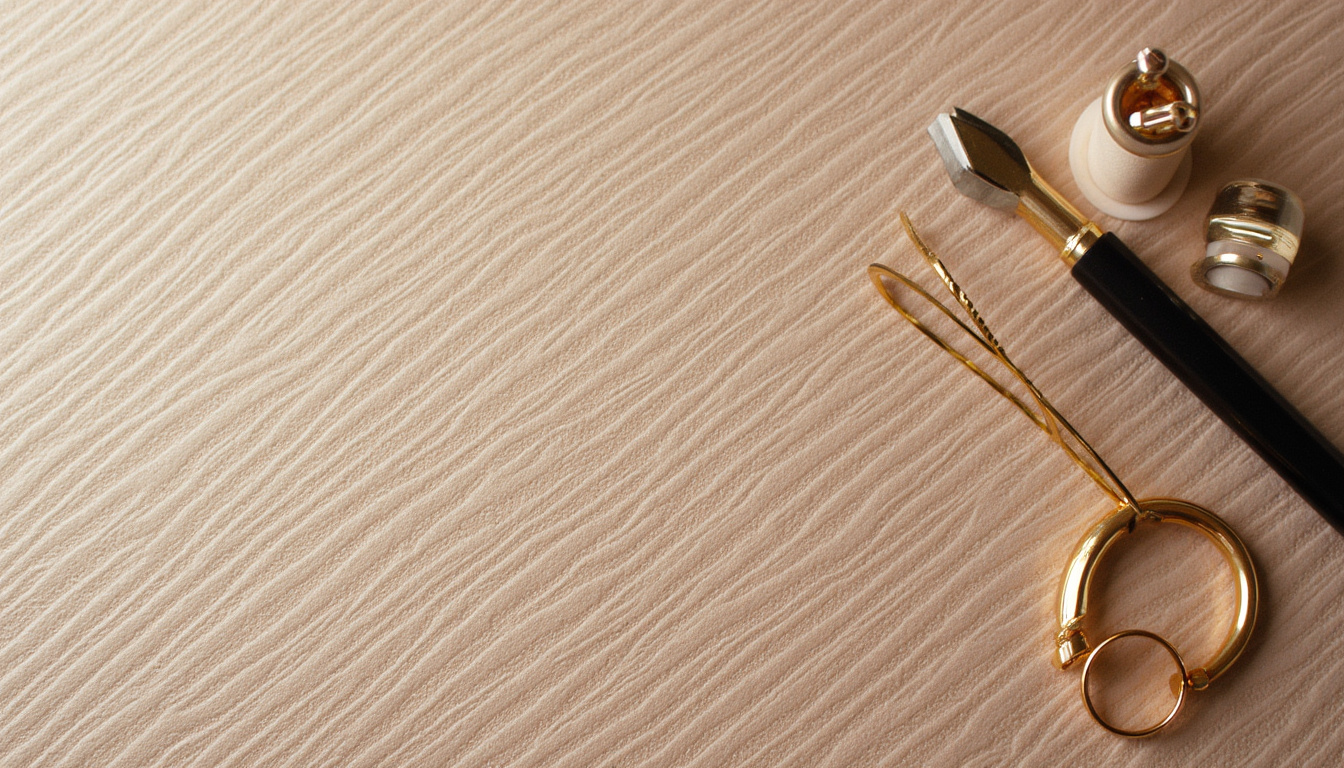
Not all wallpaper is created equal. Vinyl-coated and washable papers are best for bathrooms, kitchens, and kids’ rooms because they handle moisture and cleaning. Traditional paper and grasscloth offer luxurious texture but require gentler care.
When it’s time to remove, scoring and using a wallpaper steamer helps with older paste-backed papers. Peel-and-stick designs peel off cleanly but may leave adhesive residue in very hot, humid environments. If you’re unsure, consult manufacturer instructions or hire a pro for high-value or historic walls.
Quick wallpaper hacks designers use to save time (bulleted list)
- Test a large swatch for a full day to see how light and furniture affect the look.
- Hang vertical stripes to make low ceilings feel taller.
- Use wallpaper on the ceiling above a bed to frame the sleeping area like a canopy.
- Apply wallpaper inside shallow nooks or behind radiators to add depth without full-wall coverage.
- Match wallpaper to cabinet interiors for a polished built-in effect.
- Combine two different patterns at a chair rail height for a custom, tailored vibe.
When to hire a pro
If your room has many obstacles (switches, outlets, windows) or tricky corners, a professional installer can cut time and waste. Pros also have experience matching repeats and dealing with seams so the pattern reads continuous. For large murals or expensive materials, hiring an installer often saves money in the long run by avoiding costly mistakes.
If your room has many obstacles …
Trend watch: what designers are using now
Current trends emphasize texture and sustainability. Grasscloth and cork remain popular for a natural, tactile feel, while digitally printed murals deliver photographic realism. Removable wallpapers continue to expand in quality and design range, making them a favorite for shorter-term projects and renters. For inspiration and trend coverage, Architectural Digest keeps an updated look at what’s current in wallpaper design (https://www.architecturaldigest.com) (source).
Budget-friendly ways to achieve designer results
You don’t need a big budget to enjoy wallpaper’s benefits. A few cost-effective approaches:
- Use a single roll as an accent behind a bed or TV instead of covering all walls.
- Shop sample sizes or buy discontinued runs that are heavily discounted.
- Pair a budget wallpaper with higher-quality trim and lighting to shift focus.
- Consider DIY peel-and-stick applications in straight walls — most homeowners can tackle a single accent wall with patience and the right tools.
FAQ — common wallpaper questions answered
Q: Is wallpaper a good option for small rooms?
A: Yes. Wallpaper can make a small room feel intentional. Choose lighter colors or small-scale patterns to avoid overwhelming the space. Vertical stripes can visually raise ceilings and make the room feel taller.
Q: What are the best types of wallpaper for bathrooms?
A: For bathrooms, look for vinyl-coated or washable wallpapers designed for high-moisture environments. Removable wallpapers can work if ventilation is good, but avoid untreated papers that absorb humidity.
Q: Can I apply wallpaper myself or should I hire an installer?
A: Many peel-and-stick wallpapers are DIY-friendly and great for first-time installers. For complex rooms, heavy papers, or high-value murals, a professional installer ensures a flawless, durable finish.
Conclusion and call to action
Wallpaper is a fast, powerful way to upgrade any space — from tiny alcoves to full living rooms. With the right pattern, scale, and installation strategy, you can transform mood, add depth, and create a designer-caliber room without a major renovation. Ready to try it in your home? Start by ordering a few swatches and testing them at different times of day. If you want personalized guidance, reach out for a design consultation to select patterns, plan installation, and get a realistic timeline and budget — let wallpaper do the heavy lifting to make your space feel finished and uniquely yours.