

Wet Room Design Secrets to Create a Spa-Like Bathroom
Transforming your bathroom into a spa-inspired retreat is more achievable than you might think—and a well-planned wet room is one of the most effective ways to get there. By blending smart layout, considered materials, and hotel-level details, you can create a space that feels luxurious yet is easy to maintain and a joy to use every day.

Below are the design secrets, practical tips, and pro-level touches that will help you build a wet room that looks and feels like a private spa.
What Is a Wet Room (and Why Choose One)?
A wet room is a fully waterproofed bathroom where the shower area is level with the rest of the floor, often without a traditional shower tray or enclosure. The entire space is designed to deal with water, so you get a seamless, open layout that feels larger and more luxurious.
Key benefits of a wet room:
- Spa-like feel: Open, minimalist design mimics high-end hotel and spa bathrooms.
- More space: No bulky shower tray or enclosure, ideal for small bathrooms.
- Accessibility: Step-free entry, great for all ages and mobility levels.
- Easy cleaning: Fewer nooks and frames; wipe down surfaces and you’re done.
- Future-proofing: Often increases property appeal and can add value when done well (source: HomeOwners Alliance).
Planning Your Wet Room: Layout and Flow
Successful wet room design starts on paper. A thoughtful layout avoids splash zones, keeps everything functional, and sets the foundation for a relaxing, spa-like experience.
Position the Shower Carefully
Ideally, place the shower at the furthest point from the door. This helps:
- Minimize water reaching the entrance
- Keep towels and storage areas dry
- Create a natural “journey” from dry to wet zones
A fixed glass screen can subtly separate the shower area while keeping the open feel of a wet room.
Think in “Zones” Rather Than Walls
Even in a fully open wet room, zoning matters:
- Dry zone: Near the door – vanity, storage, towel radiator.
- Transition zone: Toilet and bench or seat.
- Wet zone: Shower, built-in niches, body jets if you have them.
Using different materials (e.g., warmer wood-effect tiles in the dry zone and more textured tiles near the shower) helps define spaces visually without physical barriers.
Getting the Basics Right: Waterproofing and Drainage
A spa-like wet room should feel relaxing, not stressful—and that means no leaks, no pooling water, and no slippery surfaces.
Tanking: The Non-Negotiable Layer
“Tanking” is the process of fully waterproofing the room. This usually includes:
- Waterproof membranes on floors
- Tanking on walls in the shower area
- Careful sealing around pipes, drains, and corners
Skimping on this step can lead to serious structural issues later. Always use reputable systems and follow the manufacturer’s instructions, or hire an experienced installer.
Slopes and Drains
Every effective wet room has a subtle but precise gradient to guide water to the drain.
Common drain options:
- Linear drains: Long, slim, and modern-looking; great along a wall or threshold.
- Central square drains: Classic choice; often easiest to retrofit.
- Hidden drains: Integrated into the floor for a near-invisible look.
Aim for a fall of around 1–2% towards the drain—enough to move water without feeling like you’re standing on a slope.
Choosing Materials: The Foundation of a Spa Aesthetic
The materials you choose will determine how your wet room looks, feels underfoot, and performs over time.
Floor and Wall Tiles
For a spa-inspired wet room, focus on three qualities: slip-resistance, durability, and texture.
Great options:
- Porcelain tiles: Highly durable, low maintenance, huge range of finishes.
- Textured stone-effect tiles: Deliver the spa look without the upkeep of real stone.
- Mosaics: Especially on shower floors—more grout lines mean more grip.
Look for tiles with a suitable slip rating for wet areas (often indicated by an “R” rating, such as R10 or above, depending on local standards).
Warm, Natural Tones
Spa spaces tend to feel calm, not busy. Aim for a restrained palette:
- Soft greys, warm beiges, or greige
- Stone and concrete effects
- Wood-effect porcelain for visual warmth
Using the same or similar tile on floor and walls can make your wet room feel larger and more cohesive, especially in small spaces.
Heating and Comfort: Spa-Level Luxury
A beautiful wet room should also be a comfortable one. The right heating makes all the difference.
Underfloor Heating
Underfloor heating is almost made for wet rooms:
- Dries floors quicker (less risk of mildew)
- Feels luxurious under bare feet
- Allows you to skip bulky radiators and keep walls clean
Electric underfloor heating is often simpler to retrofit; water-based systems work well in full renovations or new builds.
Towel Warmers and Radiators
A heated towel rail doubles as storage and warmth. Choose a design that:
- Complements your metal finishes (e.g., brushed brass, matte black, chrome)
- Is sized correctly for the room’s heating needs
- Has enough rungs for the number of towels you use daily
Lighting: Set the Mood of Your Wet Room
Lighting might be the ultimate spa secret. The right combination will make your wet room feel soothing rather than sterile.
Layered Lighting Strategy
Aim for three layers:
-
Ambient lighting:
- Recessed ceiling spots with dimmers
- LED panels or low-glare downlights
-
Task lighting:
- Mirror lights for shaving, skincare, and makeup
- Vertical lights on each side of the mirror for even facial illumination
-
Accent lighting:
- LED strips under floating benches or vanities
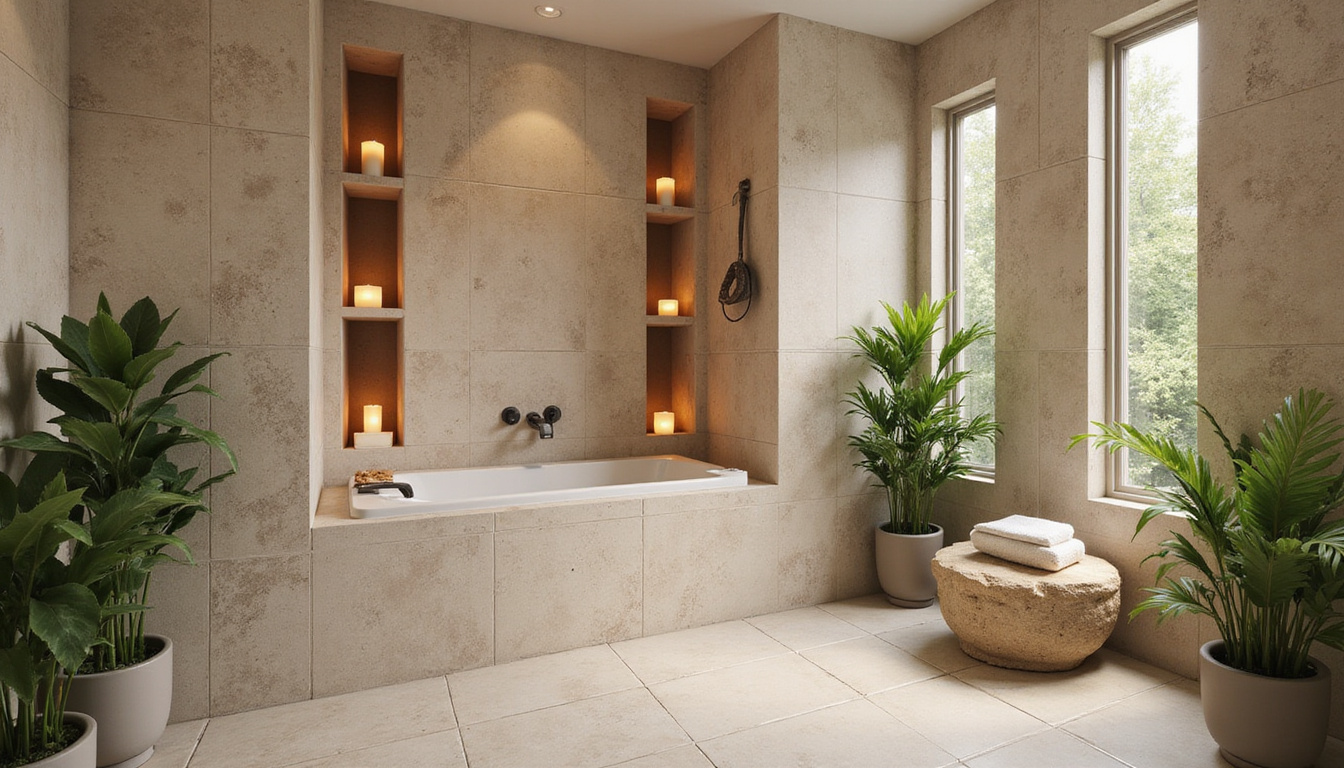
- Recessed niche lights to highlight products and tiles
- Soft floor-level lights for night-time use
Warm white (around 2700K–3000K) gives a softer, spa-like glow compared to harsh, cool light.
Storage and Clutter Control: Hidden Luxury
Spas feel serene because surfaces are clear and everything has a place. Your wet room should be no different.
Built-In Niches
Recessed wall niches in the shower keep bottles off the floor and out of corners:
- Tile the niches in the same material for a minimal look
- Or use a contrasting tile to make them a feature
- Add a slight slope on the base so water drains off
Intelligent Vanity Design
A wall-hung vanity works brilliantly in a wet room:
- Keeps floor space open and easy to clean
- Makes the room feel more spacious
- Offers valuable hidden storage for daily essentials
Opt for soft-close drawers, internal dividers, and perhaps one “open shelf” area for towels or baskets.
Fixtures and Fittings: The Details That Make It Feel Like a Spa
The right fixtures give your wet room that unmistakable spa character.
Shower Experience
Upgrade from “functional” to “indulgent”:
- Rain shower head overhead for a gentle, enveloping flow
- Handheld shower for flexibility and easy cleaning
- Thermostatic controls to keep water at a consistent temperature
- Recessed or minimal pipework for a clean, architectural look
Wall-mounted controls positioned near the entrance of the shower let you turn the water on without getting soaked—small detail, big comfort.
Basins and Toilets
To maintain a clean look:
- Wall-hung toilet: Concealed cistern, streamlined appearance, easier floor cleaning
- Countertop or semi-recessed basin: Feels more like a boutique hotel than a purely functional bathroom
Choose finishes that coordinate: taps, shower controls, towel rail, and accessories all in the same or complementary metal.
Design Ideas: Styles for Every Size of Wet Room
Whether you’re working with a compact en-suite or a generous main bathroom, you can create a spa-like wet room with the right strategy.
Small Wet Room
- Use large-format tiles to reduce grout lines and visually enlarge the space
- Add a single glass panel to contain spray without closing off the room
- Go for a wall-hung vanity and WC to maximize floor area
- Incorporate a big mirror to bounce light and make the room feel deeper
Medium to Large Wet Room
- Consider a dual-shower setup for a true spa feel
- Add a built-in bench for seating, shaving, or simply relaxing under the water
- Create a separate yet open-feeling bath area with a freestanding tub
- Experiment with a feature wall in stone-effect or textured tile behind the shower or tub
Practical Tips to Keep Your Wet Room Spa-Fresh
To ensure your wet room stays beautiful and practical over time:
- Ventilation: Install an effective extractor fan rated for wet rooms to control humidity and prevent mould.
- Squeegee routine: Keep a squeegee handy to quickly clear glass and tiles after showers.
- Sealant checks: Inspect silicone sealant annually and refresh if you spot cracks or discolouration.
- Product choices: Use gentle cleaners suitable for your tile and grout type to preserve finishes.
FAQ About Wet Rooms and Spa-Style Bathrooms
1. Is a wet room suitable for a small bathroom?
Yes. A wet room can be ideal for small bathrooms because removing the traditional shower tray and enclosure frees up visual and physical space. With a smart layout, a modest floor area can feel much larger and more open.
2. How much does a wet room cost compared to a regular shower room?
A fully tanked wet room usually costs more upfront than a standard shower over a tray due to additional waterproofing and drainage work. However, it often adds perceived value, looks more luxurious, and can be more future-proof, especially for accessibility and resale appeal.
3. Are wet room bathrooms hard to maintain?
When designed well, wet room bathrooms are often easier to maintain than traditional ones. Large-format tiles, minimal frames, and good drainage reduce grime build-up. Proper ventilation and a simple squeegee routine keep surfaces clear and fresh.
Ready to Create Your Spa-Like Wet Room?
A carefully designed wet room can completely transform how you experience your home—turning everyday routines into moments of calm and quiet luxury. By planning a thoughtful layout, investing in proper waterproofing, choosing tactile materials, and layering light, heat, and storage, you can create a bathroom that feels like a boutique spa every time you step inside.
If you’re ready to move from inspiration to action, start by sketching your ideal layout, gathering tile and fixture ideas, and speaking with a bathroom designer or installer experienced in wet rooms. With the right team and a clear vision, your spa-style wet room could be the most rewarding upgrade you make to your home.